Did you know that writing one piece of content the same way for every platform can reduce its impact?
To write effectively online, you must first understand different online writing formats.
Blogs, social media posts, emails, reports, and website content all serve different purposes and audiences. This guide will help you understand different online writing formats, their features, and how to use them correctly to improve readability, engagement, and reach.
understand different online writing formats
What Are Online Writing Formats?
Online writing formats refer to the structure, tone, length, and style used to create content for different digital platforms.
To understand different online writing formats, writers must recognize that:
- Each platform has a unique audience
- Each format has a specific goal
- Writing style must adapt accordingly
Mastering these formats helps writers create content that performs well across platforms.
Blog Posts Writing Format
Blog posts are:
- Long-form
- Informative
- Structured for readability and SEO
They usually include headings, subheadings, examples, and internal links. Blog posts allow writers to explain topics in depth and build authority.
To understand different online writing formats, blog writing is often the best starting point for beginners.
Social Media Writing Format
Social media content is:
- Short
- Engaging
- Highly scannable
This format focuses on grabbing attention quickly using:
- Clear messaging
- Strong hooks
- Visual support
Understanding different online writing formats helps writers adapt long content into short, impactful social media posts.
Emails and Newsletters Writing Format
Emails and newsletters require:
- Professional tone
- Clear structure
- Direct messaging
The goal is to inform, nurture, or convert readers without overwhelming them. Strong subject lines and concise paragraphs are essential.
Reports and Whitepapers Writing Format
Reports and whitepapers are:
- Research-driven
- Data-focused
- Formal in tone
They are used to present insights, analysis, and evidence-based conclusions. Writers must maintain accuracy, clarity, and logical flow.
Understanding different online writing formats is especially important when writing reports for professional or academic audiences.
Website Content Writing Format
Website content should be:
- Simple
- Clear
- Purpose-driven
This format focuses on guiding visitors, explaining services, and building trust. Clear calls to action and easy navigation language are key.
Why Is It Important to Understand Different Online Writing Formats?
Each writing format serves a specific purpose and audience.
When writers understand different online writing formats, they can:
- Improve reader engagement
- Communicate messages clearly
- Increase content reach and effectiveness
- Build credibility across platforms
Using the wrong format can confuse readers and reduce content impact.
Frequently Asked Questions (FAQs)
Can the same topic be written in different online writing formats?
Yes. A single topic can be adapted into blog posts, social media updates, emails, or reports by adjusting tone, length, and structure.
Why should writers understand different online writing formats?
Writers should understand different online writing formats to match audience expectations and create content that performs better on each platform.
Which online writing format is best for beginners?
Blog posts and social media posts are ideal for beginners because they allow creativity, practice, and audience interaction.
Does understanding online writing formats help SEO?
Yes. Understanding different online writing formats helps writers structure content properly, improving readability, engagement, and SEO performance.
Final Thoughts
To grow as a content writer, it’s essential to understand different online writing formats and adapt your writing style accordingly.
Each format has a unique role, and mastering them helps you:
- Write with clarity
- Reach wider audiences
- Build long-term writing skills
With consistent practice, you can confidently create content that fits every digital platform.
Understand Different Online Writing Formats: A Complete Guide for Content Writers
References
- Google Search Central – Creating Helpful, Reliable, People-First Content
https://developers.google.com/search/docs/fundamentals/creating-helpful-content - Nielsen Norman Group – How Users Read on the Web
https://www.nngroup.com/articles/how-users-read-on-the-web/
- Academic Writing
- Editing & Proofreading
- SME Writing Services
- SEO Blogwriting Services
- Creative & Ghostwriting
- Academic Writing
- AI Ethics & Future
- AI in Academic Research
- AI in Business & Marketing
- AI in Content Creation
- AI in Design & Development
- AI in Education/Teaching
- AI in Research
- AI Tools & Review
- Indian Laws
- Motivation
- SEO & Digital Marketing
- Writing & Content Creation
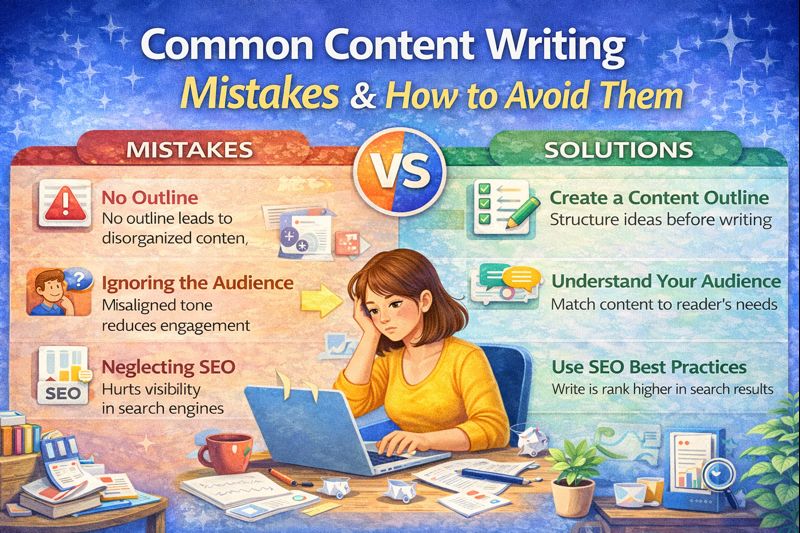
Common Content Writing Mistakes and How to Avoid Them (Beginner-Friendly Guide)
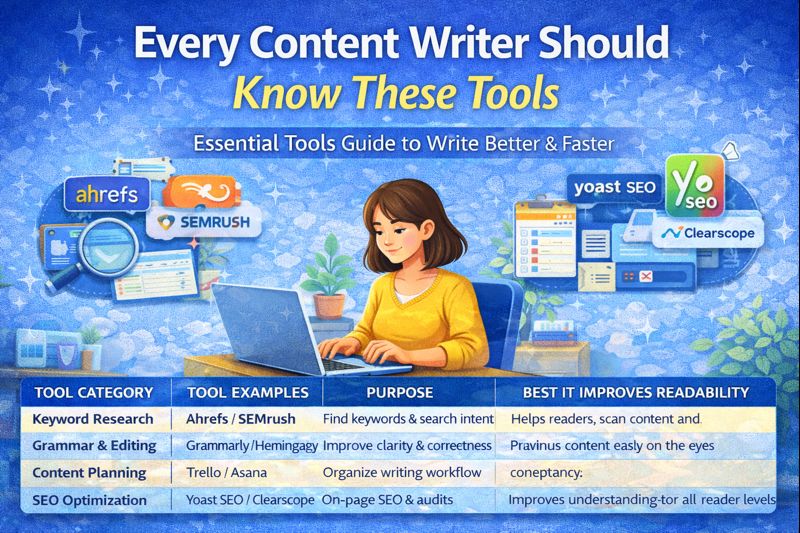
Every Content Writer Should Know These Tools: Essential Writing Tools Guide
Writing Clear and Engaging Blog Introductions: A Complete Guide for Content Writers
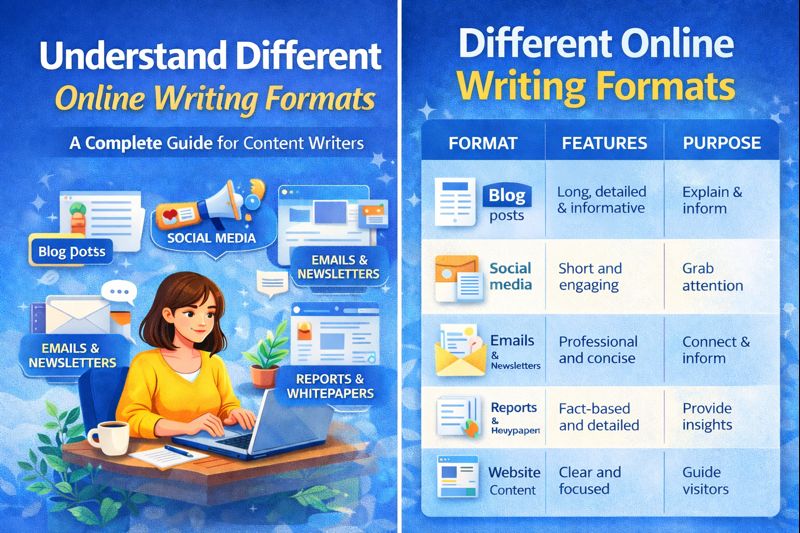
Understand Different Online Writing Formats: A Complete Guide for Content Writers
How to Pitch Articles to Blogs and Magazines: A Complete Guide for Writers
How to Build an Effective Personal Brand: A Complete Guide for Writers
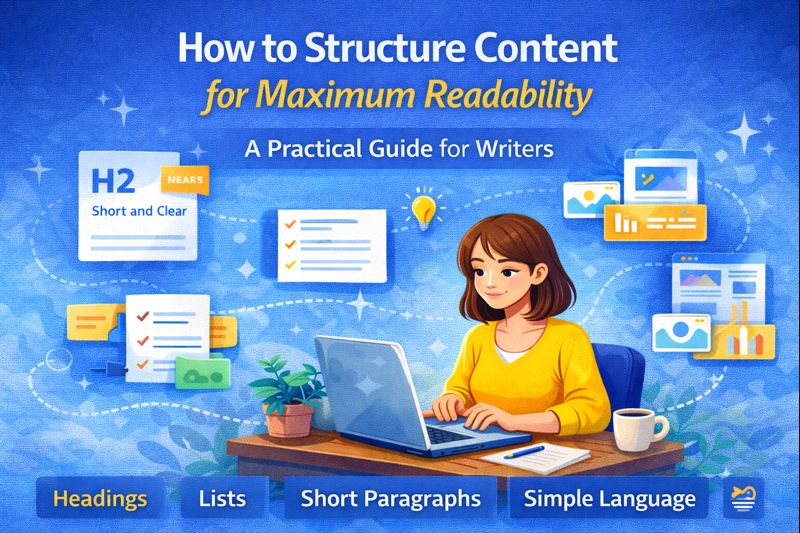
How to Structure Content for Maximum Readability: A Practical Guide for Writers
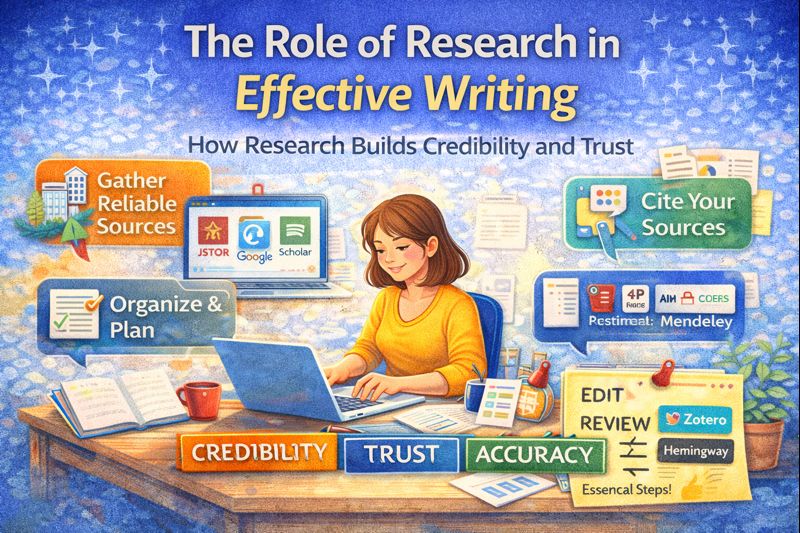
The Role of Research in Effective Writing: How Research Builds Credibility and Trust
Have you ever wondered why some articles feel powerful, trustworthy, and insightful—while others feel shallow…
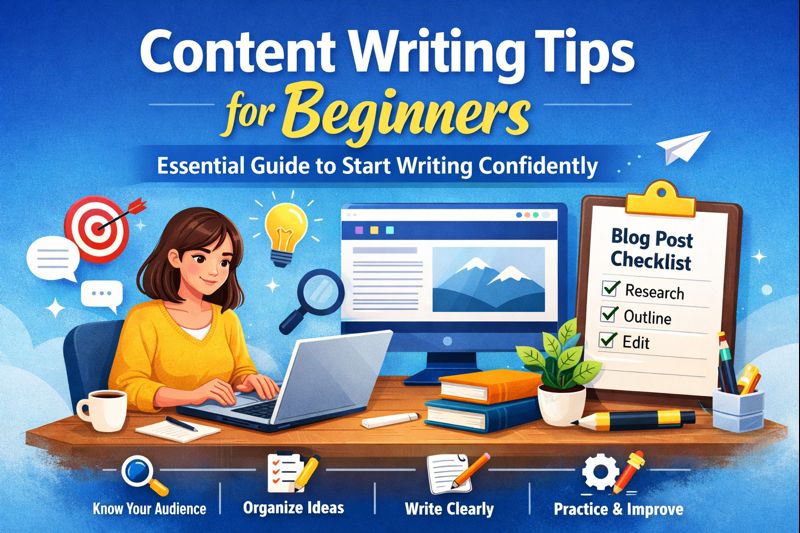
Content Writing Tips for Beginners: How to Start Writing High-Quality Content

Freelance Writing: How to Build Your Portfolio (Step-by-Step Guide for Beginners)
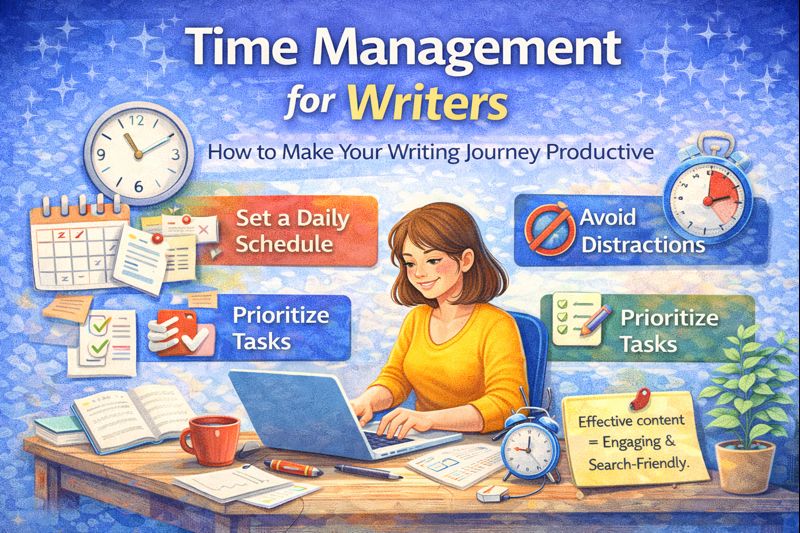
Time Management for Writers: How to Make Your Writing Journey Productive