
Last Updated: May 1, 2026
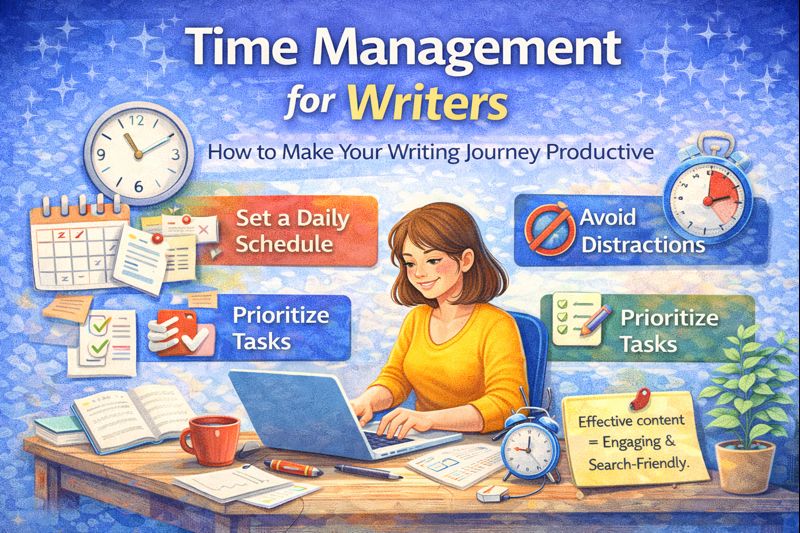
Time Management for Writers
How to Write Clear and Engaging Blog Introductions
You Sit Down to Write -But Nothing Gets Done
You open your laptop. The blank document stares back at you.
You type a sentence. Delete it. Type it again. Check your phone. Get some water. Scroll Instagram for “just two minutes.” Forty minutes later, you’ve written exactly nothing — and now you feel guilty on top of unproductive.
Sound familiar? I’ve been there more times than I’d like to admit.
When I first started writing seriously, I had this idea that good writers simply sat down and wrote. That inspiration would arrive if I just waited long enough. That some days I’d be “in the mood” and those would be my productive days. The rest? Just wasted time I’d make up for later.
What I didn’t understand then — and what took me embarrassingly long to figure out — is that productivity for writers isn’t about inspiration. It’s about systems.
The writers who consistently produce good work, meet deadlines, grow their blogs, and still have a life outside writing aren’t more talented or more motivated than you. They just manage their time differently.
This guide is everything I wish someone had told me when I started. Real strategies, an honest look at why we struggle, and a simple daily structure you can start using today.
Why Time Management Is Especially Hard for Writers
Before we get to solutions, let’s be honest about why this is genuinely difficult.
Writing isn’t like other work. You can’t just “do more of it” when you’re behind the way you could pack more boxes or answer more emails. Writing requires a specific mental state — focused, calm, and somewhat confident. When that state is disrupted, output collapses.
Here’s what actually gets in the way:
Overthinking before the first word. Writers spend enormous mental energy deciding what to write, how to begin, whether the topic is right. By the time they’ve resolved those questions, the hour is gone and the document is blank.
Perfectionism that stalls the draft. The voice that says “this sentence isn’t good enough” is the enemy of first drafts. Many writers edit as they write — which is like trying to drive while simultaneously rebuilding the engine.
No fixed routine. Without a consistent writing time, every session starts with negotiation. Should I write now or later? Am I really in the mood? Routine removes that conversation entirely.
Distractions that feel productive. Checking emails, reading industry articles, “researching” the topic — these feel like writing-adjacent work. They’re not. They’re avoidance with better PR.
Perfectionism disguised as preparation. I used to spend 45 minutes “getting ready to write” — making tea, organising tabs, re-reading yesterday’s draft. All of it was just procrastination I could justify.
Recognising which of these patterns is yours is the first step. Now let’s fix them.
6 Practical Time Management Strategies for Writers
1. Time Blocking
What it is: Scheduling specific, non-negotiable blocks of time in your calendar dedicated only to writing.
Why it works: When writing has a fixed slot — just like a meeting or a class — it stops being something you “get to when you have time” (which is never). The block creates a commitment to yourself.
Real-life example: Instead of planning to “write today,” block 8:00–9:30 AM as “Writing: Article Draft.” Close everything else. That window is protected.
Action step: Open your calendar right now. Block one 90-minute writing window for tomorrow. Treat it like a client meeting — it doesn’t move.
2. The Pomodoro Technique
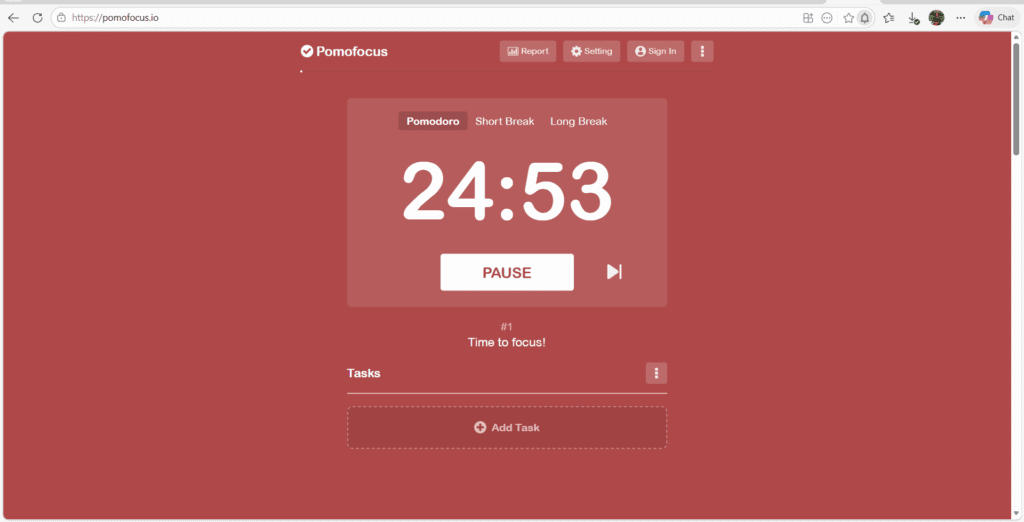
What it is: Work in focused 25-minute sprints, followed by a 5-minute break. After four sprints, take a longer 20–30 minute break.
Why it works: The 25-minute window is short enough to feel manageable — even on days when motivation is low. It also creates natural checkpoints that prevent burnout during long writing sessions.
Real-life example: When I’m working on a long article, I set a Pomodoro timer and commit to writing without any tab-switching for those 25 minutes. Just the document. The breaks give my brain a genuine reset.
Action step: Use the free Pomofocus.io website or the Forest app on your phone. For your next writing session, try just two Pomodoro rounds — 50 focused minutes with one break.
10 Powerful Tools Every Content Writer Must Use in 2026
3. Build a Writing Routine (Consistency Over Intensity)
What it is: Writing at the same time, in the same place, every day — even if only for 30–45 minutes.
Why it works: Routine reduces the mental energy spent deciding when and whether to write. Over time, your brain begins to associate that time and space with creative work — and the transition into writing mode becomes faster and easier.
Real-life example: A blogger in Pune I know writes every morning between 6:30 and 7:30 AM before her family wakes up. Not always great writing. But always writing. Her consistency has compounded into a 200-article blog over two years.
Action step: Choose one consistent time slot and one consistent location. Even if it’s your kitchen table with headphones on. Same time, same place, every day. Give it 21 days.
4. Set Specific, Measurable Writing Goals
What it is: Replace vague goals (“write more”) with specific output targets (“write 600 words” or “complete the introduction and first two sections”).
Why it works: Vague goals have no finish line. You can never fully achieve “write more” — which means you never feel done. A specific word count or section target gives you a clear endpoint, which makes starting far less daunting.
Real-life example: Instead of “work on the article,” my daily goal is “draft 700 words of the introduction and Step 1.” When those are done, I’m done — whether it took 45 minutes or two hours.
Action step: Before each writing session, write down one specific goal at the top of your document. Complete that one thing before looking at anything else.
5. Eliminate Distractions Physically
What it is: Actively remove the things that interrupt your focus — before they interrupt it.
Why it works: Willpower is a limited resource. Every time you resist checking your phone, you spend mental energy you could have spent writing. Remove the temptation entirely so willpower isn’t even required.
Real-life example: When I’m in a writing block, my phone goes face-down in another room. I use a Chrome extension called “Cold Turkey” to block social media. The notifications I’m “missing” for 90 minutes are never as urgent as they feel.
Action step: Before your next writing session: put your phone on Do Not Disturb, close all browser tabs except your document, and tell anyone nearby you’re unavailable for the next hour.
6. Batch Writing
What it is: Dedicating entire writing days or half-days to producing multiple pieces of content in one focused sitting.
Why it works: Every time you context-switch — moving from writing to emails to meetings and back — you lose 15–20 minutes re-entering the creative flow. Batching minimises those transitions.
Real-life example: Every Tuesday, I write. I don’t take calls, reply to non-urgent messages, or do admin. By end of day I often have two full drafts complete. The rest of the week handles everything else.
Action step: Designate one day per week (or one morning) as your batch writing day. Guard it like a deadline.
10 Common Content Writing Mistakes
A Simple Daily Writing Routine That Actually Works
Here’s a realistic, flexible structure that works whether you’re a morning person or a night owl:
Morning writers (recommended for most):
- 6:00–6:15 AM — Review yesterday’s work (don’t edit, just re-read for context)
- 6:15–7:30 AM — Focused writing (Pomodoro x 3)
- 7:30–7:45 AM — Note tomorrow’s starting point (one sentence: “Next I’ll write…”)
Evening writers:
- 9:00–9:10 PM — Set up: phone away, document open, goal written at top
- 9:10–10:20 PM — Focused writing (Pomodoro x 2 + break + 1 more)
- 10:20–10:30 PM — Note where to continue tomorrow
The key insight: The last 5–10 minutes of every session are as important as the first. Always leave a note for tomorrow’s version of you — where you stopped, what comes next, what you were thinking. Cold starts are hard. A warm handoff to yourself makes tomorrow’s session start in seconds, not minutes.
Common Mistakes Writers Make With Their Time
→ Common Content Writing Mistakes and How to Avoid Them
Waiting for motivation to arrive. Motivation follows action — it doesn’t precede it. The writers who wait until they “feel like writing” write maybe twice a week. The writers who start regardless feel motivated within 10 minutes of sitting down. Discipline opens the door. Motivation walks in after.
Multitasking during writing sessions. Writing and checking messages at the same time means doing both badly. The research is clear: multitasking reduces the quality of cognitive work by up to 40%. Single-task during writing time. Everything else can wait.
No weekly planning. If you don’t plan which articles you’ll write this week, you’ll spend 20 minutes each day deciding — and often convincing yourself it can wait until tomorrow. Five minutes of Sunday planning eliminates this entirely.
Confusing busy with productive. Responding to emails, updating social media bios, tweaking the blog design — these feel productive. They’re not writing. Track your actual word output each week. The number often surprises people.
Burning out from unsustainable intensity. Three hours of writing every day for two weeks, then nothing for a month, is not a strategy. Thirty minutes every day compounds into far more than those bursts. Sustainability beats intensity every time.
Creative Writing & Storytelling
Tools That Save Writers Hours Every Week
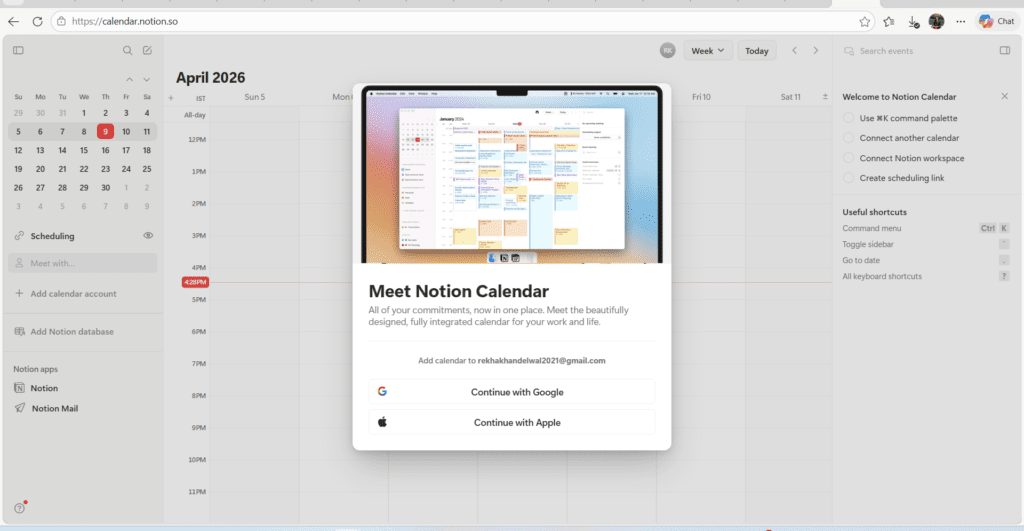
Notion — for planning and organising Notion is where I keep my entire content system — article ideas, outlines, drafts in progress, and my monthly calendar. Instead of searching through folders and documents, everything is in one structured workspace. I save at least 30 minutes a week just by not losing things.
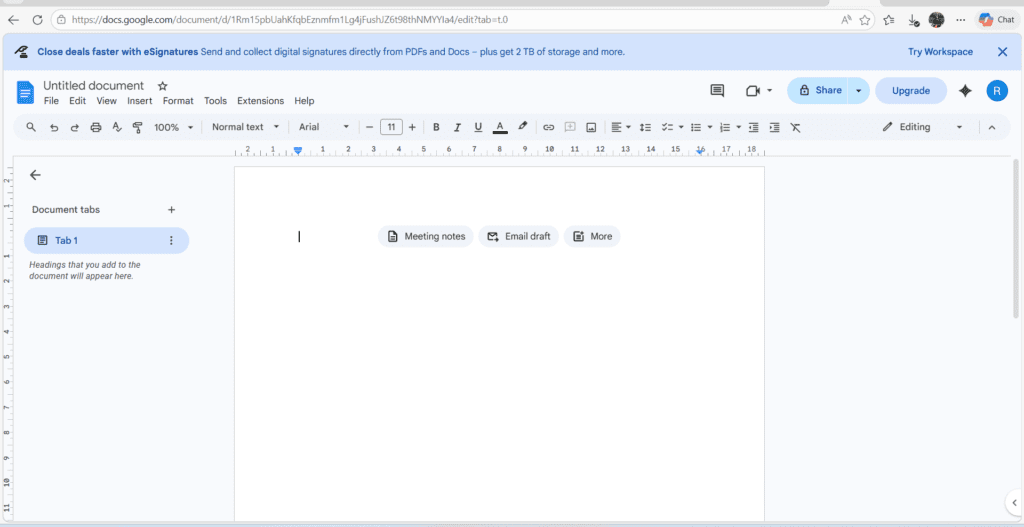
Google Docs — for writing and collaboration Simple, distraction-free, accessible anywhere. The “suggesting” mode makes client revisions painless. Version history means you never lose a draft. I write every first draft here.
Grammarly — for editing efficiency Instead of spending 30–40 minutes manually proofreading, Grammarly catches grammar, spelling, tone, and clarity issues in real time. It doesn’t replace a human edit, but it makes the process significantly faster.
Forest / Pomofocus — for focused sessions Forest gamifies focus — your virtual tree dies if you leave the app. Pomofocus is a clean browser-based Pomodoro timer. Both are free and genuinely effective for writers who struggle with phone distraction.
Hemingway Editor — for readability Paste your draft in and it instantly shows you which sentences are too complex. For bloggers and content writers, this tool alone can cut editing time in half.
My Personal Writing Routine
Here’s my honest, real daily writing process:
- 6:15 AM — Open Notion, check today’s writing goal (set the night before)
- 6:20 AM — Open Google Docs draft, read the last paragraph to reconnect
- 6:20–7:30 AM — Three Pomodoro rounds (25 min writing, 5 min break)
- 7:30 AM — Stop writing, even if mid-sentence
- 7:35 AM — Write one line in Notion: “Tomorrow: continue from [section], next point is [X]”
- Evening — Run Grammarly on the day’s output, flag anything to rework tomorrow
Total active writing time: roughly 75 minutes. On most days, this produces 700–900 words of first draft.
The secret isn’t the duration. It’s the non-negotiable consistency. I write Monday through Saturday. Some sessions are terrible. The output stays consistent because the system doesn’t depend on how I feel.
How I Stay Consistent Even on Busy Days
Some days genuinely don’t allow for a full writing session. Here’s what I do instead:
The 15-minute minimum. On my worst days — travel, illness, back-to-back commitments — I still open the document and write for 15 minutes. Some days that’s 200 words. That’s fine. The habit stays intact.
Capture ideas everywhere. The Notes app on my phone holds dozens of article ideas, opening lines, and half-formed thoughts. These become my starting points on low-energy days when I can’t generate ideas from scratch.
Protect one writing day per week completely. Even in the busiest weeks, Tuesday mornings don’t move. One anchored session means I can afford flexibility the rest of the week.
The 1-Hour Writing Formula
If you only have one hour, here’s exactly how to use it:
| Time | Task |
|---|---|
| 0:00–0:05 | Review your goal. Write it at the top of the document. |
| 0:05–0:30 | First Pomodoro — write without stopping or editing |
| 0:30–0:35 | Break — stand up, stretch, no phone |
| 0:35–0:55 | Second Pomodoro — continue writing or begin editing |
| 0:55–1:00 | Note where to start tomorrow. Close everything. |
One focused hour, done this way, produces more than three unfocused hours. It’s not about time — it’s about what you do with it.
Before vs After: Time Management in Writing
| (Incorrect) Before | (Correct) After | |
|---|---|---|
| Start of session | “Maybe I’ll write today…” | Writing block in calendar, goal written |
| Focus | Phone nearby, tabs open | Phone away, one document open |
| Technique | Write until tired | Pomodoro: 25 on, 5 off |
| Goal | “Write something” | “Draft 600 words of section 2” |
| End of session | Stop when distracted | Stop at timer, leave handoff note |
| Weekly output | 1–2 articles (inconsistently) | 3–4 articles (consistently) |
Frequently Asked Questions
Q1. How many hours should a writer write every day?
Quality matters more than quantity, but for most writers 1–2 focused hours per day is the productive sweet spot. That’s 500–1,000 words of first draft, which compounds into 4–8 articles per month. More than 3 hours of continuous writing typically leads to diminishing quality and faster burnout.
Q2. How do I stop procrastinating and actually start writing?
Use the 2-minute rule: commit to writing for just 2 minutes. No pressure for quality — just open the document and write anything. Almost universally, you’ll keep going past the 2 minutes once you’ve started. Procrastination is almost always about the start, not the continuation.
Q3. What’s the best time of day to write?
Early morning works best for most writers — the mind is fresh, distractions are minimal, and decision fatigue hasn’t accumulated yet. But the honest answer is: the best time is whenever you can protect a consistent, uninterrupted block. Consistency at 10 PM beats inconsistency at 6 AM.
Q4. How do I stay consistent with writing when life gets busy?
Implement a “minimum viable session” — commit to 15 minutes no matter what. You don’t have to write well. You just have to write. This keeps the habit alive through busy periods, so you never face the psychological weight of restarting after a long gap.
Q5. How do I avoid burnout as a writer?
Build rest into your system, not just your emergency response. Schedule one writing-free day per week. Keep Sunday evenings for planning, not producing. And recognise that a 45-minute session followed by a genuine break is more sustainable than grinding through three hours and needing a week to recover.
Q6. Can I be productive without a fixed writing schedule?
Technically yes — but in practice, very few writers maintain consistent output without one. A schedule removes the daily negotiation of “should I write today?” That negotiation drains energy and frequently ends with “I’ll do it tomorrow.” A fixed schedule makes writing the default, not the decision.
Final Thoughts
Here’s what I want you to take away from this guide — not as advice, but as something I genuinely believe after years of writing:
You don’t need more time. You need better boundaries around the time you already have.
Most writers have enough hours in their day to write consistently. What they don’t have is a system that protects those hours from everything competing for them.
Pick one strategy from this guide. Just one — the time block, the Pomodoro, the 15-minute minimum, the 1-hour formula. Apply it consistently for two weeks. Notice what changes.
Then come back and add another.
Small systems, applied consistently, create writing careers. Not inspiration. Not perfect conditions. Not finding the “right time.”
The right time is the time you decide to protect.
References:
- American Psychological Association — Multitasking: https://www.apa.org/research/action/multitask
- Pomofocus Pomodoro Timer: https://pomofocus.io
- Notion: https://notion.so
- Grammarly: https://grammarly.com
Author Bio
Dr. Rekha Khandelwal is a content strategist, academic writer, and SEO-focused consultant specializing in content marketing, search intent optimization, and ethical digital growth. Through AspirixWriters, she helps creators and businesses build Google-friendly, AdSense-safe content strategies that remain relevant as search evolves.
Author Profile Dr. Rekha Khandelwal | Academic Writer, Legal Technical Writer, AI Expert & Author | AspirixWriters
No post found!