
Voice Search & Conversational Content Strategy
– Search behavior has changed dramatically. People no longer search only by typing keywords—they ask questions, speak naturally, and expect direct answers.
This shift makes understanding Voice Search & Conversational Content Strategy essential for modern content marketing. With mobile devices, smart assistants, and AI-driven search tools becoming common, content must be structured to match how people actually speak.
In this guide, you’ll learn how to optimize content for voice-based and conversational queries using practical, SEO-friendly methods—without technical complexity or hype.

What Is Voice Search & Conversational Content Strategy ?
Voice Search & Conversational Content Strategy is the practice of creating content that aligns with natural language queries, spoken questions, and conversational search behavior.
Instead of focusing on short keywords, it emphasizes complete questions, clear answers, and intent-based content structure.
Why Voice Search & Conversational Content Strategy for SEO Matters Today
Voice and conversational searches are growing because:
- Mobile usage continues to rise
- Smart assistants are widely adopted
- Users prefer quick, direct answers
- Search queries are becoming longer and more natural
Google increasingly prioritizes content that:
- Answers questions clearly
- Matches conversational intent
- Appears in featured snippets and People Also Ask
That’s whyVoice Search & Conversational Content Strategy for SEO is now a core part of SEO and content marketing.
How Voice Search & Conversational Content Strategy for SEOWorks
Follow these practical steps to optimize your content effectively.
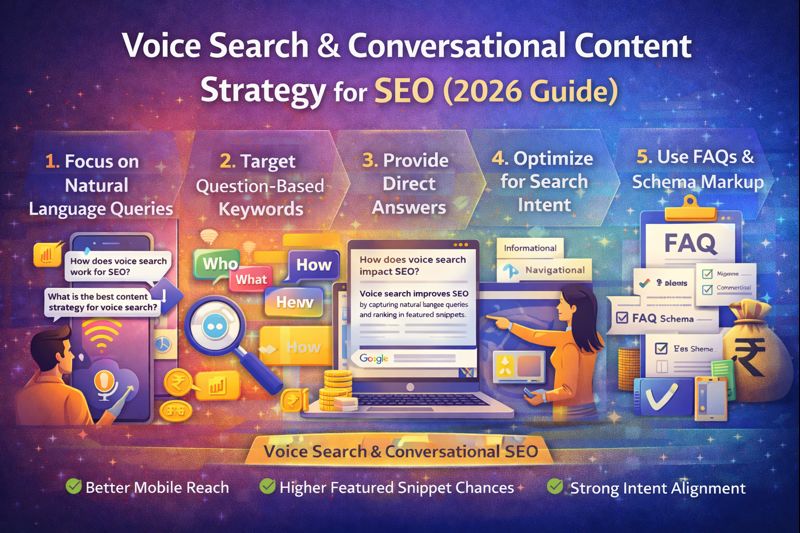
1. Focus on Natural Language Queries
Voice searches sound like conversations:
- “How does voice search work for SEO?”
- “What is the best content strategy for voice search?”
Use complete, conversational phrases rather than fragmented keywords. This is the foundation of conversational SEO strategy.
2. Target Question-Based Keywords
Use tools like:
- Google Search Console
- Google “People Also Ask”
- Answer-focused keyword tools
Look for:
- Who / What / How / Why queries
- Long-tail question formats
- Clear informational intent
This improves conversational queries SEO performance.
3. Structure Content for Direct Answers
Voice search prefers concise answers:
- 40–60 word explanations
- Clear definitions
- Simple language
Use headings that repeat the question and follow with a direct answer. This helps content surface in voice results and featured snippets.
4. Optimize for Search Intent, Not Just Keywords
Every conversational query has intent:
- Informational (“What is voice search?”)
- Navigational (“Find content marketing tools”)
- Commercial (“Best voice search SEO tools”)
Matching intent improves relevance and ranking in voice search content marketing.
5. Use FAQs and Schema Markup
FAQs improve clarity and help Google extract answers easily.
Best practices:
- Use natural questions
- Answer clearly and briefly
- Enable FAQ schema
This is one of the most effective tactics in voice search and conversational content strategy.
Real-World Use Cases
Use Case 1: Content Blogs
Blogs using conversational headings and FAQs rank more often in featured snippets.
Use Case 2: Service Websites
Voice-optimized content helps businesses capture local and mobile searches.
Use Case 3: AdSense Blogs
Conversational content improves dwell time and page interaction, supporting stable monetization.
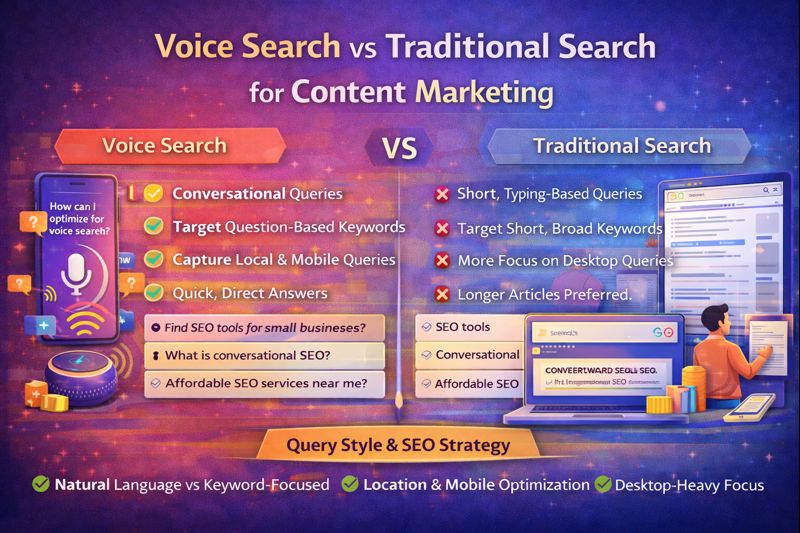
Benefits of Voice Search & Conversational Content Strategy
- Better visibility in voice results
- Higher chances of featured snippets
- Improved mobile search performance
- Stronger alignment with user intent
- Better engagement and readability
- Future-proof SEO approach
These benefits make Voice Search & Conversational Content Strategy a long-term advantage.
Challenges & Limitations
A realistic strategy also includes limitations:
- Voice search data is limited
- Requires careful intent analysis
- Not all niches benefit equally
- Over-optimization can reduce clarity
Balanced execution is essential.
Best Practices & Tips
- Write as people speak, not as machines search
- Use clear, direct answers
- Add FAQs to every informational article
- Optimize for mobile and page speed
- Update content regularly
- Avoid forced conversational phrasing
These content marketing best practices align with Google’s Helpful Content System.
FAQs
1. What is Voice Search & Conversational Content Strategy?
It is a content approach that optimizes pages for natural, spoken queries by using question-based structure, clear answers, and intent-focused language.
2. How does voice search affect SEO rankings?
Voice search prioritizes clear, direct answers and conversational phrasing. Content optimized for voice often ranks in featured snippets and People Also Ask results.
3. Is voice search optimization important for content marketing?
Yes. Voice search optimization improves visibility, mobile reach, and engagement, especially for informational and local searches.
4. How can beginners optimize content for voice search?
Beginners should use question-based headings, add FAQs, write concise answers, and focus on natural language rather than keyword repetition.
5. Does conversational content help with AdSense blogs?
Yes. Conversational content improves readability, engagement, and dwell time, which supports consistent AdSense performance.
6. Are long-tail keywords important for voice search?
Yes. Long-tail and question-based keywords closely match how users speak, making them essential for conversational SEO.
Conclusion
Adapting to voice-driven search is no longer optional. Understanding Voice Search & Conversational Content Strategy allows content creators to meet users where they are—asking questions, speaking naturally, and expecting immediate answers.
When content is structured for clarity, intent, and conversation, it becomes more discoverable, engaging, and future-ready. This approach strengthens SEO performance while maintaining trust, usability, and monetization potential.
Author Bio
Dr. Rekha Khandelwal is a content strategist, academic writer, and AI-enabled SEO expert specializing in content marketing, conversational SEO, and ethical digital growth. Through AspirixWriters, she helps creators and businesses build Google-friendly, AdSense-safe content strategies that rank and convert.
References
- Google Search Central – Voice & Search Guidelines
https://developers.google.com/search - Microsoft Learn – Conversational Search Experience
https://learn.microsoft.com - Stanford University – Human-Computer Interaction Research
https://www.stanford.edu
Must Read – Content Marketing Strategy That Ranks on Google (Complete Guide)
- Academic Writing
- AI Ethics & Future
- AI in Academic Research
- AI in Business & Marketing
- AI in Content Creation
- AI in Design & Development
- AI in Education/Teaching
- AI in Research
- AI Tools & Review
- Indian Laws
- Motivation
- SEO & Digital Marketing
- Writing & Content Creation
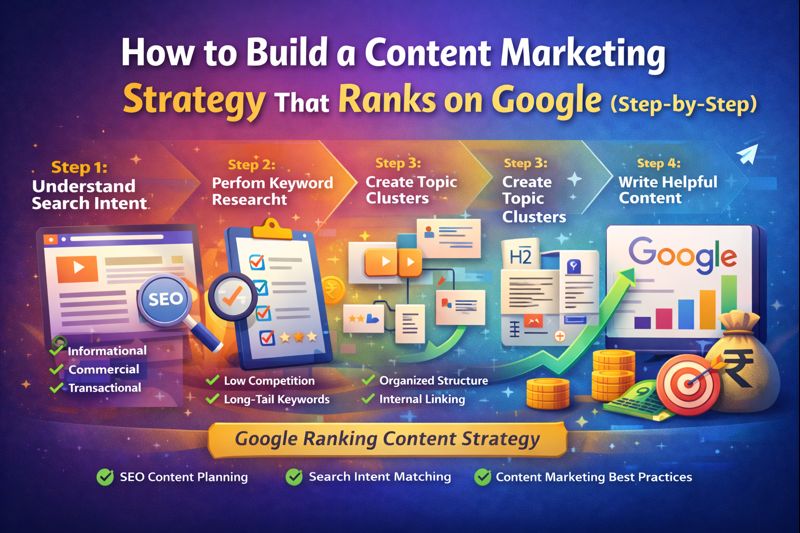
Content Marketing Strategy That Ranks on Google (Complete Guide)
How to Build a Content Marketing Strategy That Ranks on Google Many websites publish content…
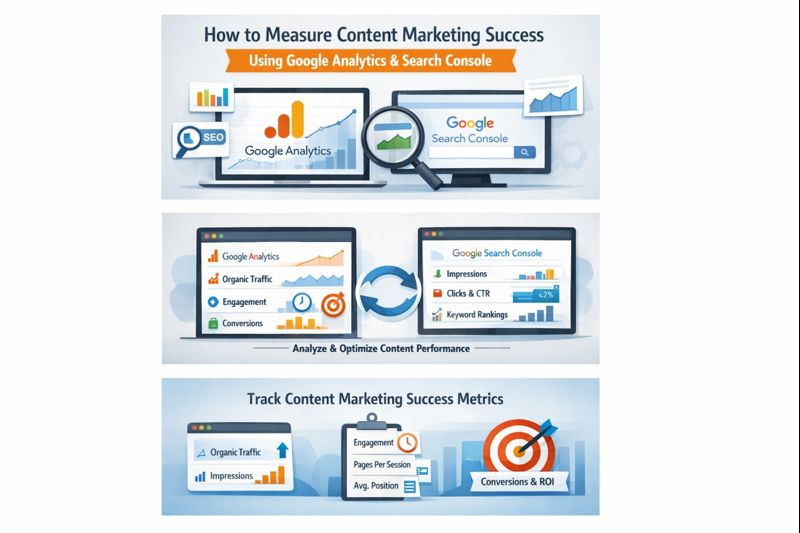
Content Marketing Success Using Google Analytics & Search Console
Introduction Creating content is only half the work. Without measurement, even high-quality content becomes guesswork….
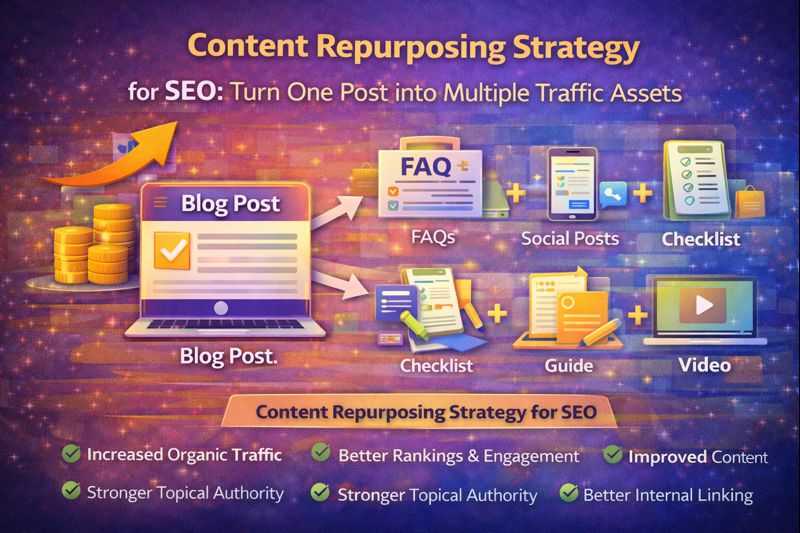
Content Repurposing Strategy for SEO: Boost Traffic Without Writing More
Introduction Creating high-quality content takes time, effort, and research. Yet many websites publish a post…
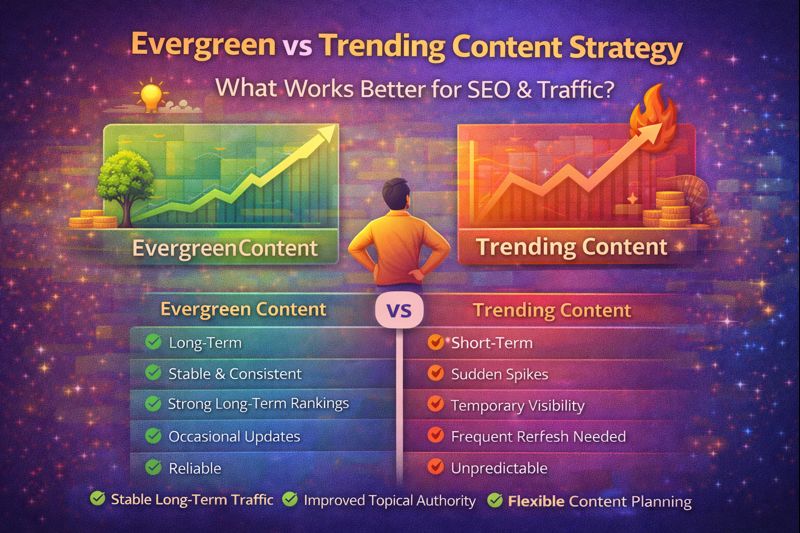
Evergreen vs Trending Content Strategy: What Works Better for SEO?
Introduction Content creators often face a common dilemma:Should you focus on evergreen content that lasts…

How Content Marketing Helps You Monetize Blogs with AdSense (2026)
Introduction Many bloggers struggle with a common problem: their blog gets content published, but income…
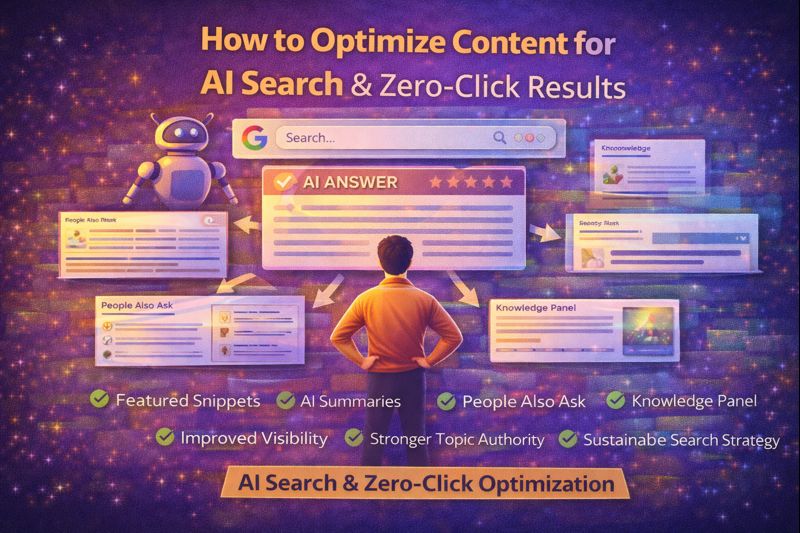
How to Optimize Content for AI Search & Zero-Click Results Smartly
Introduction Search results are no longer limited to blue links. Today, users often find answers…
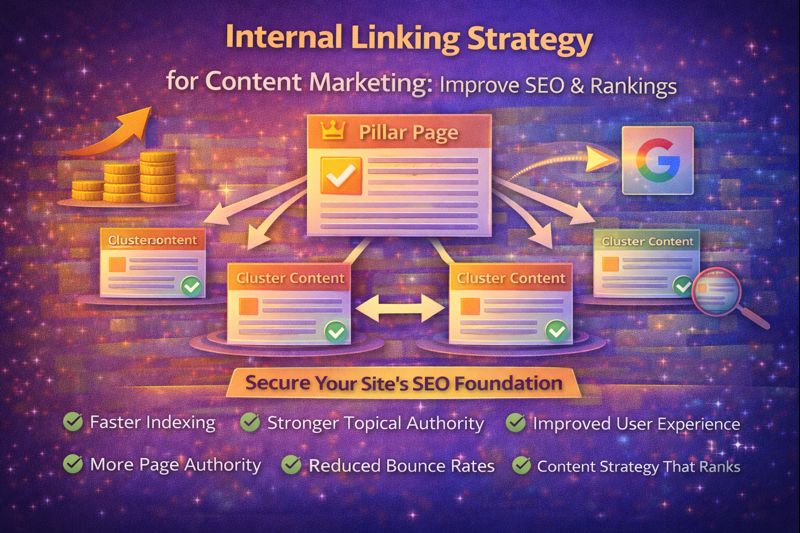
Internal Linking Strategy for Content Marketing: Boost SEO Rankings
Introduction Many websites focus heavily on publishing new content but overlook one of the most…

Low-Competition Keyword Research for Content Marketing (Step-by-Step)
low-competition keyword research for content marketing – One of the biggest mistakes content creators make…
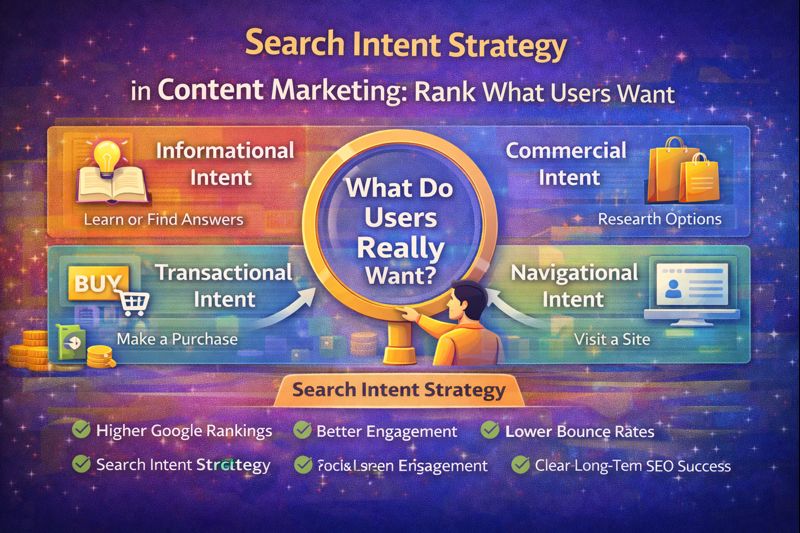
Search Intent Strategy in Content Marketing: Rank What Users Want
Introduction One of the biggest reasons content fails to rank is not poor writing or…
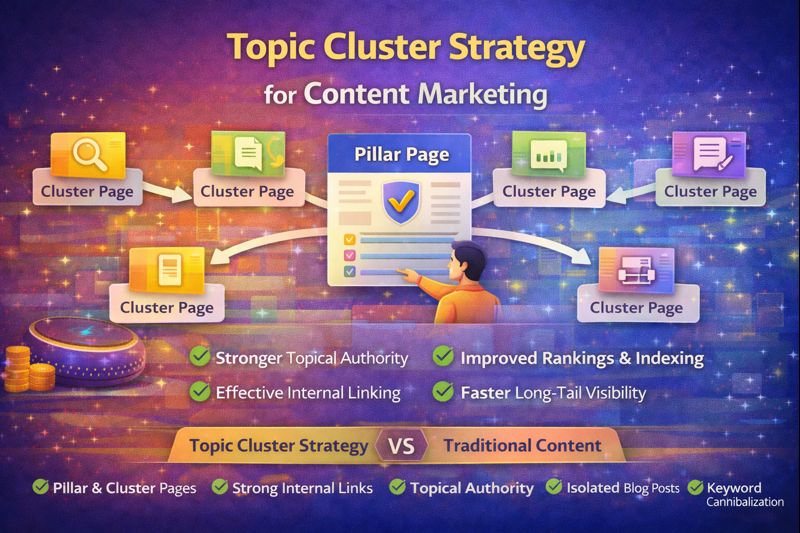
Topic Cluster Strategy: How to Build Topical Authority with Content Marketing
Introduction Many websites publish high-quality content regularly, yet struggle to rank consistently on Google. The…
Voice Search & Conversational Content Strategy for SEO (2026 Guide)
Voice Search & Conversational Content Strategy – Search behavior has changed dramatically. People no longer…

What Is Generative SEO and How Content Marketers Can Use It in 2026
Introduction What Is Generative SEO – Search engines are changing faster than ever. Traditional SEO…