
Introduction
Creating content is only half the work. Without measurement, even high-quality content becomes guesswork.
Many bloggers and businesses publish consistently but still struggle to answer a critical question: Is this content actually working? Understanding how to measure content marketing success using Google Analytics & Search Console allows you to make informed decisions instead of relying on assumptions.
This guide explains what to track, why it matters, and how to evaluate content performance using Google’s own trusted tools—without complexity or jargon.
What Does It Mean to Measure Content Marketing Success?
To measure content marketing success means evaluating how well your content achieves its intended goals—such as visibility, engagement, trust, and conversions—using reliable data.
By analyzing traffic, search visibility, user behavior, and engagement patterns, marketers can understand what content performs well and what needs improvement.
Why Measuring Content Marketing Success Matters
Content marketing is a long-term strategy. Without measurement:
- You don’t know which topics perform best
- Weak content keeps getting repeated
- High-potential pages remain under-optimized
- Monetization efforts fail silently
Learning how to measure content marketing success using Google Analytics & Search Console helps align content creation with real outcomes instead of vanity metrics.
Role of Google Analytics in Content Marketing Measurement
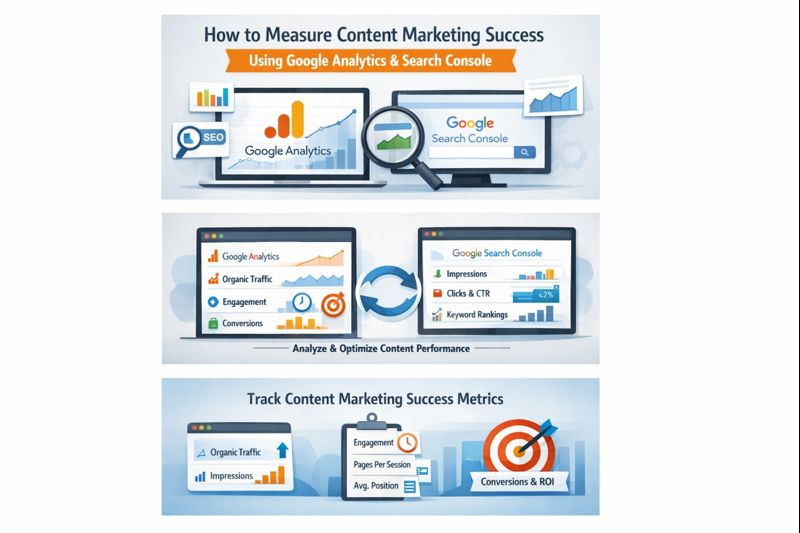
Google Analytics helps you understand how users behave after they land on your content.
Key Metrics to Track in Google Analytics
1. Organic Traffic
Shows how many users discover your content through search.
2. Engagement Metrics
Track:
- Average engagement time
- Pages per session
- Scroll depth (if enabled)
These indicate whether content is actually being consumed.
3. Top Landing Pages
Identify which blog posts attract the most traffic and act as entry points.
4. Conversion Signals
Depending on your goals, track:
- Newsletter sign-ups
- Contact form submissions
- Outbound clicks
Google Analytics for content marketing focuses on user behavior, not just traffic volume.
Role of Google Search Console in Content Performance Analysis
While Analytics shows user behavior, Search Console reveals how content performs in search results.
Key Metrics to Track in Search Console
1. Impressions
Shows how often your content appears in search—even without clicks.
2. Clicks & CTR
Indicates how compelling your titles and descriptions are.
3. Average Position
Helps identify pages that are close to ranking higher (positions 8–20).
4. Queries & Pages Report
Shows:
- Which keywords trigger your content
- Which pages rank for multiple queries
Search Console content analysis is essential for SEO-focused content strategies.
How to Measure Content Marketing Success Using Google Analytics & Search Console
Here is a step-by-step, practical framework.
Step 1: Define Content Goals Clearly
Before measuring, clarify your goal:
- Traffic growth
- Engagement improvement
- Lead generation
- Monetization
Measurement only works when goals are defined.
Step 2: Identify High-Performing Content
Use Analytics to find:
- Pages with steady organic traffic
- Posts with long engagement time
Then use Search Console to confirm:
- Ranking keywords
- Visibility trends
This combined view shows true performance.
Step 3: Identify Underperforming but High-Potential Content
Look for pages with:
- High impressions but low CTR
- Rankings between position 10–20
These pages are ideal for:
- Title optimization
- Content expansion
- Internal linking
This step directly improves SEO performance tracking.
Step 4: Measure Content by Intent, Not Just Traffic
Not all content is meant to convert.
Examples:
- Informational content → engagement, impressions
- Commercial content → conversions
- Evergreen content → consistency over time
Understanding intent prevents incorrect conclusions.
Step 5: Track Content Trends Over Time
Avoid daily analysis. Instead:
- Review data monthly
- Compare 3–6 month periods
- Watch long-term growth patterns
Content marketing analytics works best with patience.
Real-World Use Cases
Use Case 1: Blogs
Blogs use Search Console to identify content gaps and Analytics to improve engagement.
Use Case 2: Service Websites
Businesses track which educational blogs assist conversions indirectly.
Use Case 3: AdSense Blogs
Publishers measure impressions, session duration, and page depth to improve monetization.
Key Content Marketing Performance Metrics (Summary)
- Organic traffic growth
- Search impressions
- Engagement time
- Pages per session
- Keyword rankings
- Assisted conversions
These metrics together define content success.
Challenges & Limitations
A realistic measurement strategy includes limitations:
- Attribution is not always direct
- Some benefits are long-term
- Low traffic does not mean low value
- Data must be interpreted contextually
Measurement supports decisions—it does not replace judgment.
Best Practices & Tips
- Use Google’s tools together, not separately
- Focus on trends, not daily fluctuations
- Compare similar content types
- Optimize content with high impressions first
- Document insights regularly
These practices align with Google’s Helpful Content System.
FAQs
1. How to measure content marketing success using Google Analytics & Search Console?
By tracking organic traffic, engagement metrics, impressions, rankings, and query data together, you can evaluate both user behavior and search performance accurately.
2. Which tool is more important: Analytics or Search Console?
Both are essential. Analytics shows user behavior, while Search Console shows search visibility. Together they provide a complete performance picture.
3. How often should content performance be reviewed?
Monthly reviews are ideal. For strategic decisions, compare performance over 3–6 month periods.
4. What is the most important metric for content marketing?
There is no single metric. Success depends on content intent—engagement for informational content and conversions for commercial content.
5. Can low-traffic content still be successful?
Yes. Some content supports authority, internal linking, or conversions indirectly, even with low traffic.
6. Is this measurement approach content marketing success using Google Analytics & Search Console suitable for AdSense blogs?
Yes. Engagement time, impressions, and session depth are especially useful for AdSense-focused content strategies.
7. How to measure content marketing success using Google Analytics & Search Console for long-term growth?
To measure content marketing success using Google Analytics & Search Console for long-term growth, track trends in organic traffic, search impressions, engagement time, and keyword visibility over several months. Focus on consistent improvement rather than short-term spikes to evaluate sustainable content performance.
Conclusion
Content marketing succeeds when decisions are driven by insight, not assumptions. Understanding how to measure content marketing success using Google Analytics & Search Console gives creators and businesses the clarity needed to refine strategy, improve performance, and grow sustainably.
When measurement focuses on intent, engagement, and visibility—not just clicks—content becomes a long-term asset rather than a guessing game.
Author Bio
Dr. Rekha Khandelwal is a content strategist, academic writer, and SEO-focused consultant specializing in content marketing systems, performance analysis, and ethical digital growth. Through AspirixWriters, she helps creators and businesses build Google-friendly, AdSense-safe strategies grounded in data and long-term value.
References
- Google Search Central – Performance & Search Console
https://developers.google.com/search - Google Analytics Help Documentation
https://support.google.com/analytics - Stanford University – Data-Driven Content Research
https://www.stanford.edu - Microsoft Learn – Analytics & Search Insights
https://learn.microsoft.com
Must Read – Content Marketing Strategy That Ranks on Google (Complete Guide)
- Academic Writing
- Editing & Proofreading
- SME Writing Services
- SEO Blogwriting Services
- Creative & Ghostwriting
Content Marketing Strategy That Ranks on Google (Complete Guide)
How to Build a Content Marketing Strategy That Ranks on Google Many websites publish content…
Content Marketing Success Using Google Analytics & Search Console
Introduction Creating content is only half the work. Without measurement, even high-quality content becomes guesswork….
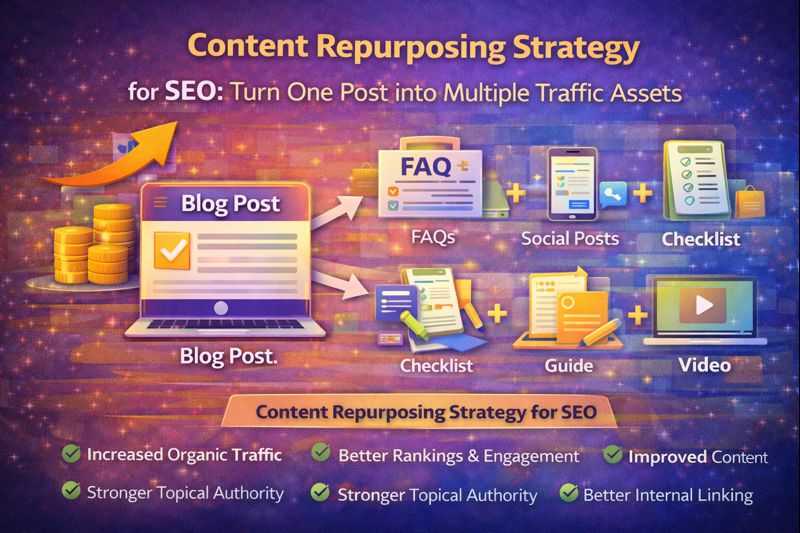
Content Repurposing Strategy for SEO: Boost Traffic Without Writing More
Introduction Creating high-quality content takes time, effort, and research. Yet many websites publish a post…
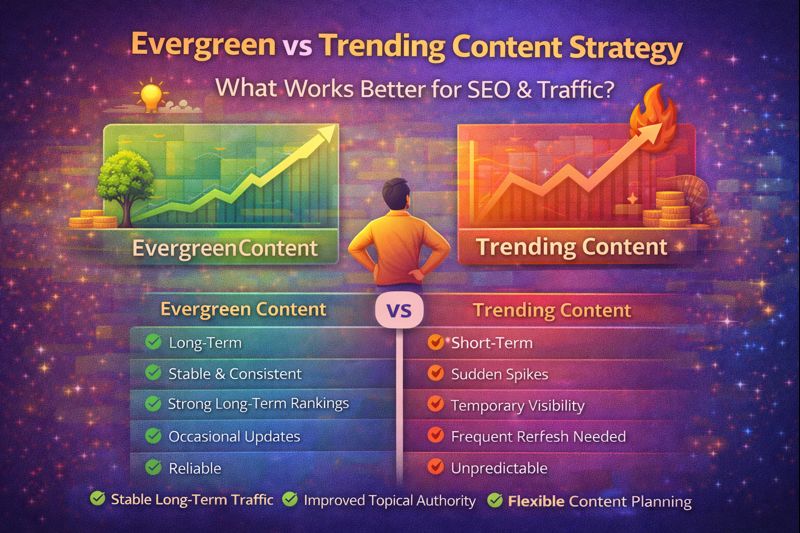
Evergreen vs Trending Content Strategy: What Works Better for SEO?
Introduction Content creators often face a common dilemma:Should you focus on evergreen content that lasts…

How Content Marketing Helps You Monetize Blogs with AdSense (2026)
Introduction Many bloggers struggle with a common problem: their blog gets content published, but income…
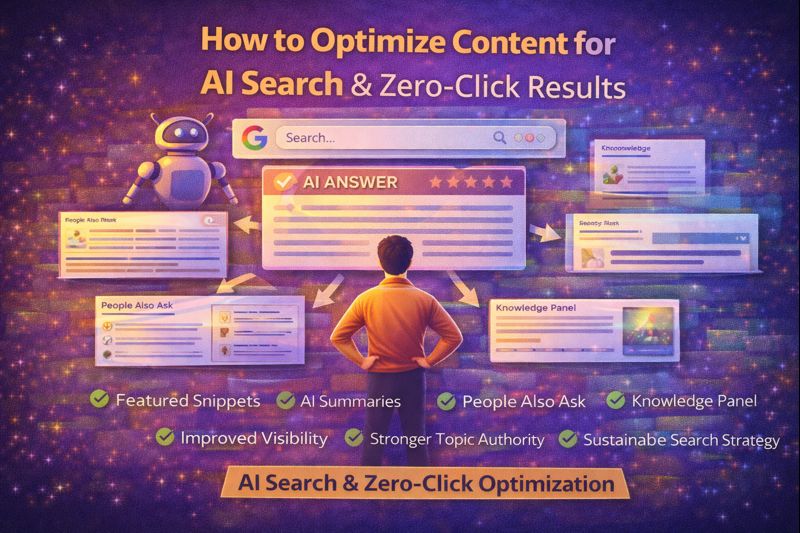
How to Optimize Content for AI Search & Zero-Click Results Smartly
Introduction Search results are no longer limited to blue links. Today, users often find answers…
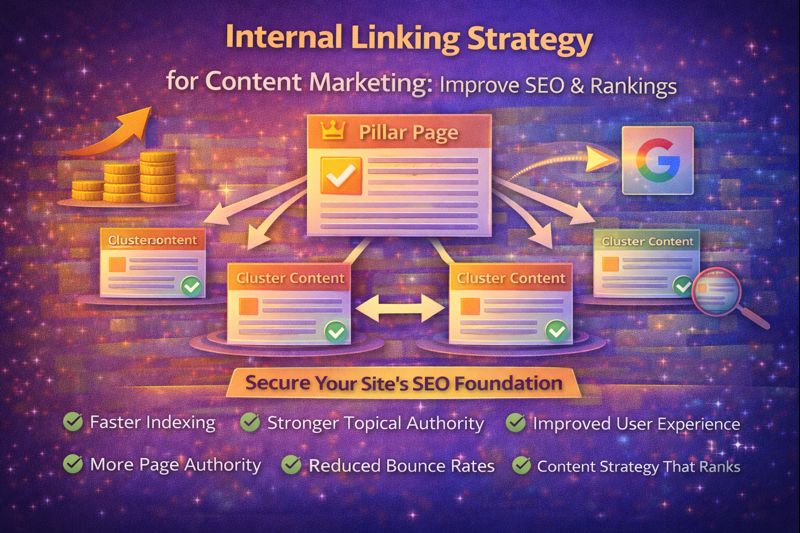
Internal Linking Strategy for Content Marketing: Boost SEO Rankings
Introduction Many websites focus heavily on publishing new content but overlook one of the most…
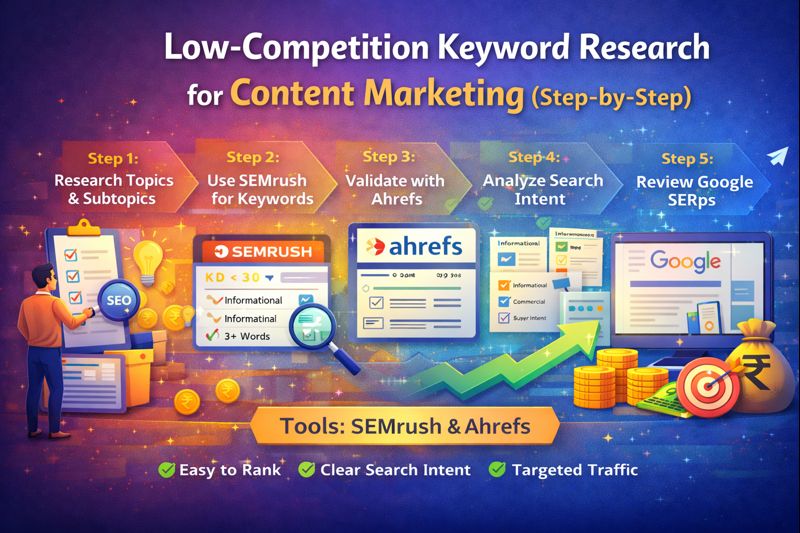
Low-Competition Keyword Research for Content Marketing (Step-by-Step)
low-competition keyword research for content marketing – One of the biggest mistakes content creators make…
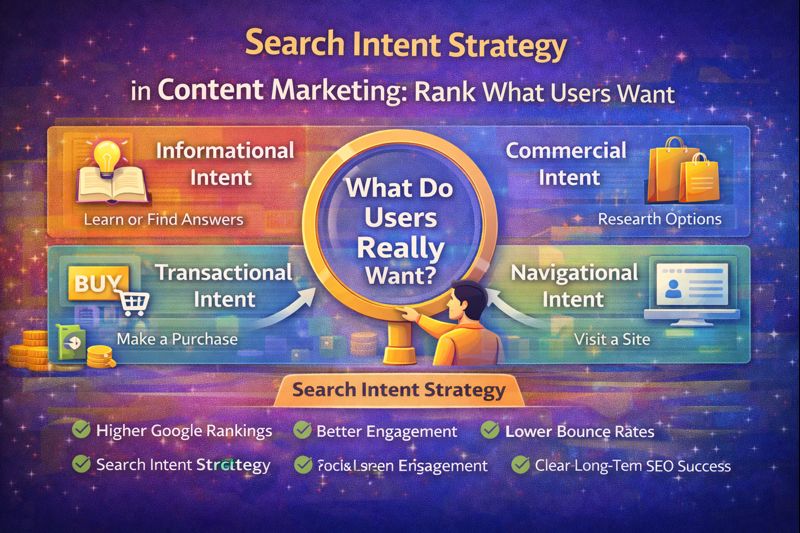
Search Intent Strategy in Content Marketing: Rank What Users Want
Introduction One of the biggest reasons content fails to rank is not poor writing or…
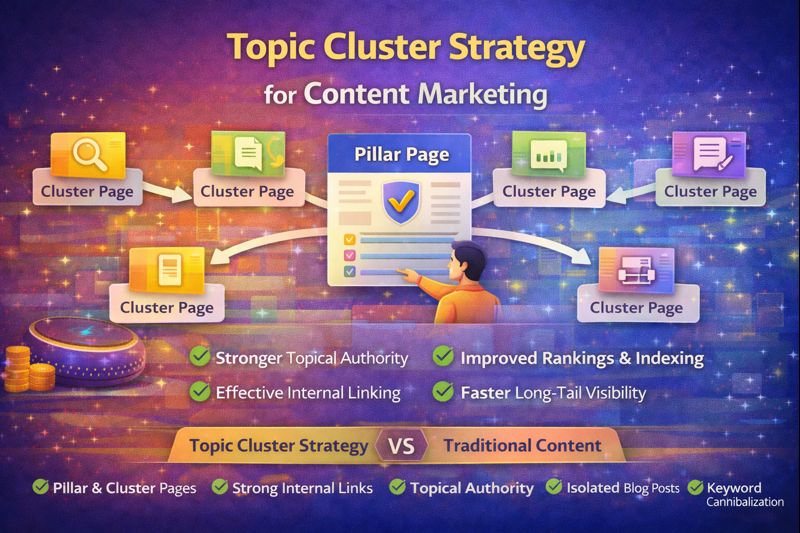
Topic Cluster Strategy: How to Build Topical Authority with Content Marketing
Introduction Many websites publish high-quality content regularly, yet struggle to rank consistently on Google. The…
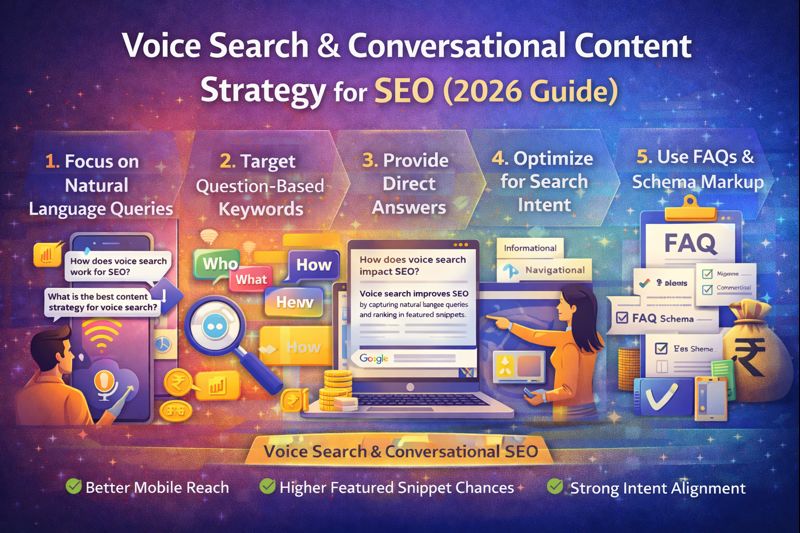
Voice Search & Conversational Content Strategy for SEO (2026 Guide)
Voice Search & Conversational Content Strategy – Search behavior has changed dramatically. People no longer…
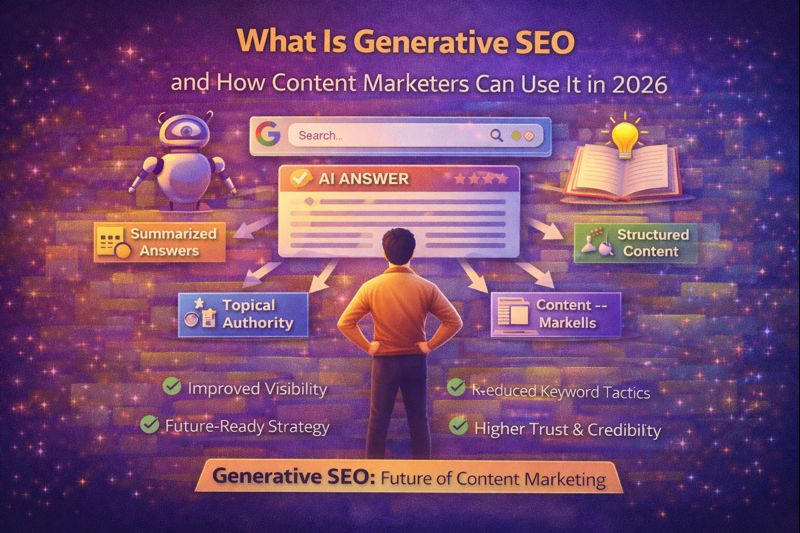
What Is Generative SEO and How Content Marketers Can Use It in 2026
Introduction What Is Generative SEO – Search engines are changing faster than ever. Traditional SEO…