Introduction
Have you ever read a story that stayed with you long after the last line—or wondered why some writers instantly connect with readers while others struggle? In 2026, creative writing & storytelling is no longer just about imagination. It’s about clarity, structure, emotional truth, and relevance in a fast-changing digital world.
Whether you write fiction, blogs, brand stories, or personal narratives, strong storytelling has become a must-have skill—not a nice-to-have one.
What Is Creative Writing & Storytelling?
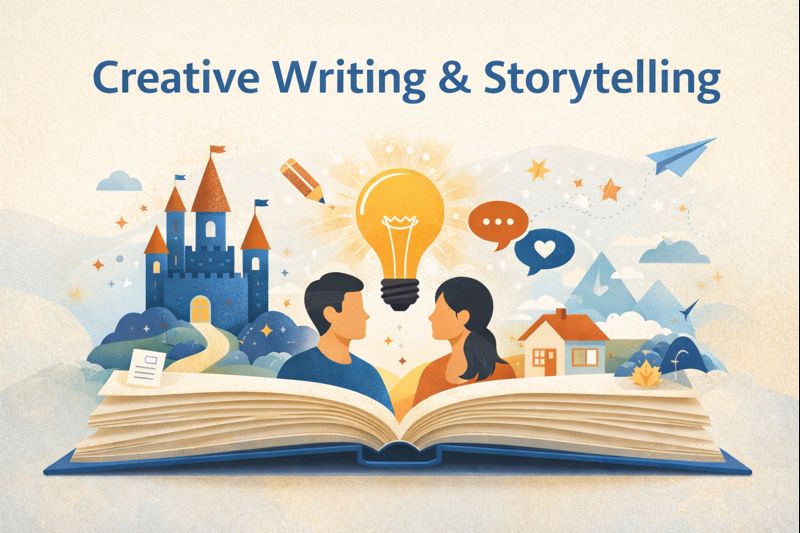
Creative writing & storytelling is the art of expressing ideas, emotions, and experiences through structured narratives that engage readers emotionally and intellectually. It combines imagination with technique—using character, conflict, voice, and purpose to create stories that feel authentic, meaningful, and memorable. story writing tips
Why Creative Writing & Storytelling Matters in 2026
In today’s content-saturated world, people don’t remember information—they remember stories.
Here’s why creative writing & storytelling is more relevant than ever:
- Audiences prefer authentic, human voices over generic content
- Brands, educators, and creators rely on stories to build trust
- AI-generated content has increased the value of original human perspective
- Google prioritizes helpful, experience-driven content
- Storytelling improves reader retention, engagement, and sharing
In short, good stories cut through noise—and that makes them powerful.
How Creative Writing & Storytelling Works
Effective storytelling follows a clear, repeatable framework. While styles may vary, strong stories usually include these elements:
Step-by-Step Breakdown
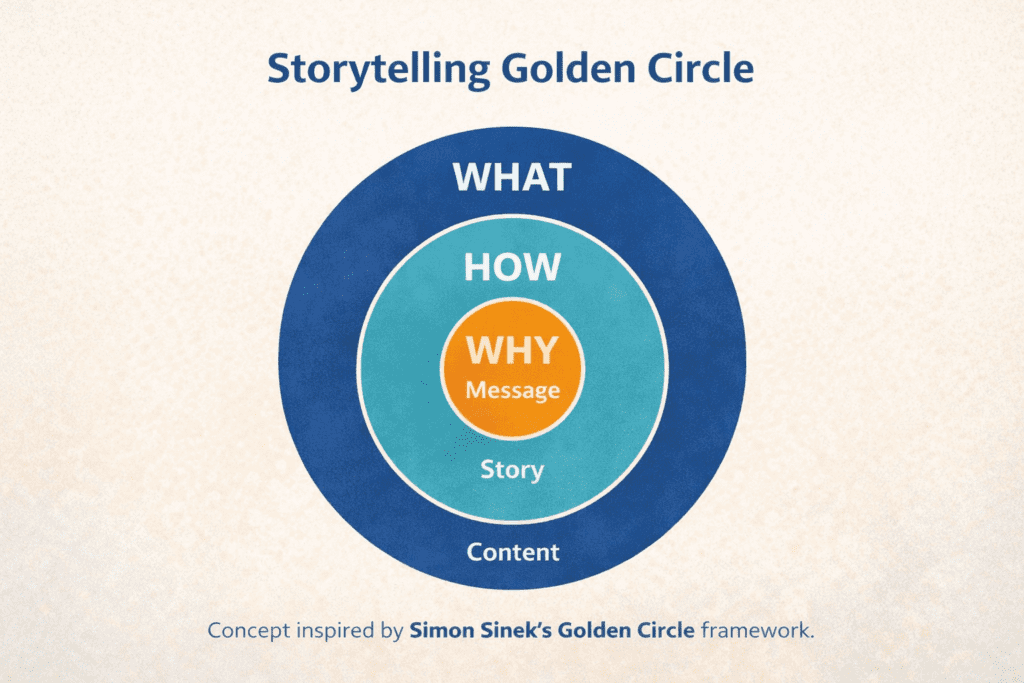
- Idea or message – What are you really trying to say?
- Audience clarity – Who is the story for, and why should they care?
- Character or voice – A person, perspective, or narrator readers can relate to
- Conflict or tension – A challenge, question, or emotional shift
- Progression – A clear beginning, middle, and resolution
- Meaning – A takeaway that feels earned, not forced
This structure works across fiction, blogs, scripts, brand narratives, and personal essays.
Real-World Applications of Creative Writing & Storytelling
Creative writing & storytelling is not limited to novels or short stories. In 2026, it is actively used in:
- Blog writing and long-form content
- Brand storytelling and marketing copy
- Academic and educational content
- Personal branding and thought leadership
- Social media narratives and newsletters
- UX writing and product storytelling
From websites to speeches, storytelling shapes how messages are understood and remembered.
Benefits of Creative Writing & Storytelling
Strong storytelling delivers clear, measurable value:
- Builds emotional connection with readers
- Improves clarity and message retention
- Enhances personal and professional credibility
- Makes complex ideas easier to understand
- Encourages trust, loyalty, and engagement
- Supports SEO through longer dwell time and engagement
For writers, it also strengthens voice, confidence, and originality.
Things to Consider Before Getting Started
Before diving into creative writing & storytelling, keep these practical points in mind:
- Storytelling is a skill, not just talent—it improves with practice
- Not every story needs drama; clarity matters more than complexity
- Understanding your audience is more important than fancy language
- Editing and rewriting are part of the creative process
- Consistency matters more than perfection
Setting realistic expectations helps writers grow without burnout or frustration.
Best Practices & Tips for Writing Powerful Stories in 2026
To create impactful stories today:
- Write from real experience or observation whenever possible
- Use simple language; avoid over-explaining
- Focus on one core message per story
- Show emotions through actions, not statements
- Read widely across genres and formats
- Revise ruthlessly—good stories are rewritten, not rushed
Most importantly, write regularly. Momentum builds mastery.
Frequently Asked Questions (FAQs)
1. Is creative writing & storytelling only for fiction writers?
No, Creative writing & storytelling applies to blogs, branding, education, marketing, and personal content. Anyone who communicates ideas can use storytelling to make messages clearer, more relatable, and more memorable.
2. Can beginners learn creative writing & storytelling in 2026?
Absolutely, with consistent practice, reading, and feedback, beginners can develop strong storytelling skills. The key is focusing on clarity, structure, and authenticity rather than trying to sound impressive.
2. Can beginners learn creative writing & storytelling in 2026?
Absolutely, With consistent practice, reading, and feedback, beginners can develop strong storytelling skills. The key is focusing on clarity, structure, and authenticity rather than trying to sound impressive.
3. How is creative writing & storytelling different today than before?
In 2026, storytelling emphasizes authenticity, reader value, and real experience. Search engines and audiences both reward content that feels human, helpful, and purpose-driven rather than purely imaginative or promotional.
4. Does storytelling help with SEO?
Yes, Creative writing & storytelling improves reader engagement, time on page, and content depth—signals that support SEO performance when combined with proper keyword usage and structure.
5. How long does it take to become good at storytelling?
There’s no fixed timeline. Most writers see improvement within weeks of regular practice, but mastery develops over months and years through writing, revising, and learning from feedback.
6. Can AI replace creative writing & storytelling?
AI can assist with ideas or drafts, but authentic storytelling depends on human experience, emotion, and judgment. In 2026, original human stories are more valuable than ever.
Conclusion
Creative writing & storytelling remains one of the most powerful skills a writer can develop in 2026. In a world full of information, stories create meaning, connection, and trust. By focusing on clarity, authenticity, and purpose, writers can craft stories that resonate with both readers and search engines.
Great stories don’t shout—they connect. And that connection is what lasts.
References
- Google Search Central – Helpful Content Guidelines – https://developers.google.com/search/docs/fundamentals/creating-helpful-content
- Purdue University Online Writing Lab (OWL) – https://owl.purdue.edu/owl/
- UNESCO – Communication & Information – https://www.unesco.org/en/communication-information
- UNESCO – Creative Diversity & Expression – https://www.unesco.org/creativity/en
- Microsoft Responsible AI Transparency Notes – https://learn.microsoft.com/en-us/azure/ai-foundry/responsible-ai/openai/transparency-note?view=foundry-classic
Content Marketing Strategy That Ranks On Google (Complete Guide)
- Academic Writing
- AI Ethics & Future
- AI in Academic Research
- AI in Business & Marketing
- AI in Content Creation
- AI in Design & Development
- AI in Education/Teaching
- AI in Research
- AI Tools & Review
- Indian Laws
- Motivation
- SEO & Digital Marketing
- Writing & Content Creation
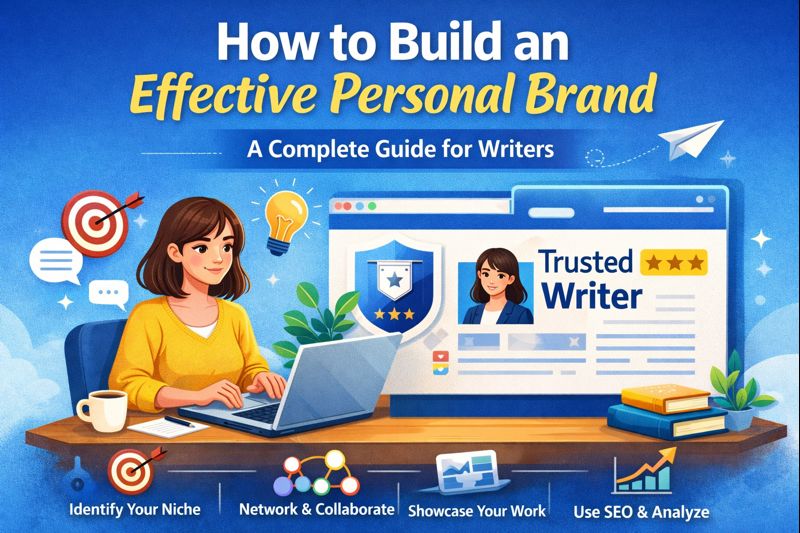
How to Build an Effective Personal Brand: A Complete Guide for Writers
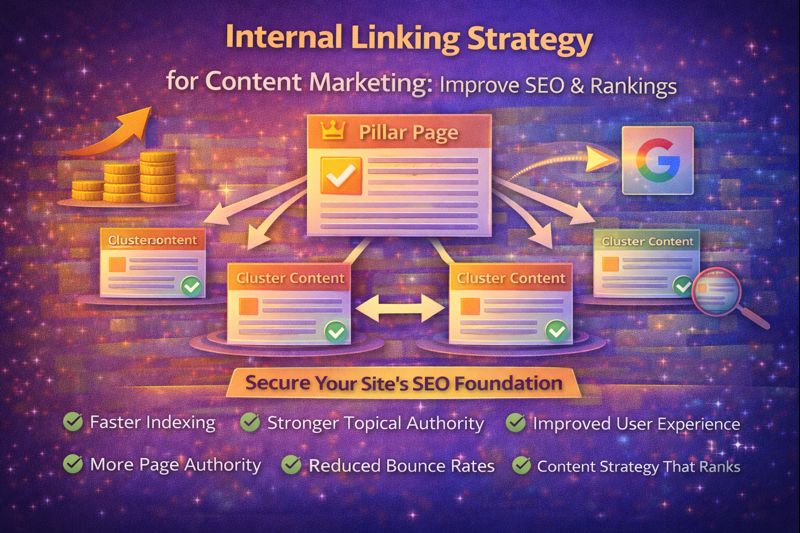
Internal Linking Strategy for Content Marketing: Boost SEO Rankings
Introduction Many websites focus heavily on publishing new content but overlook one of the most…
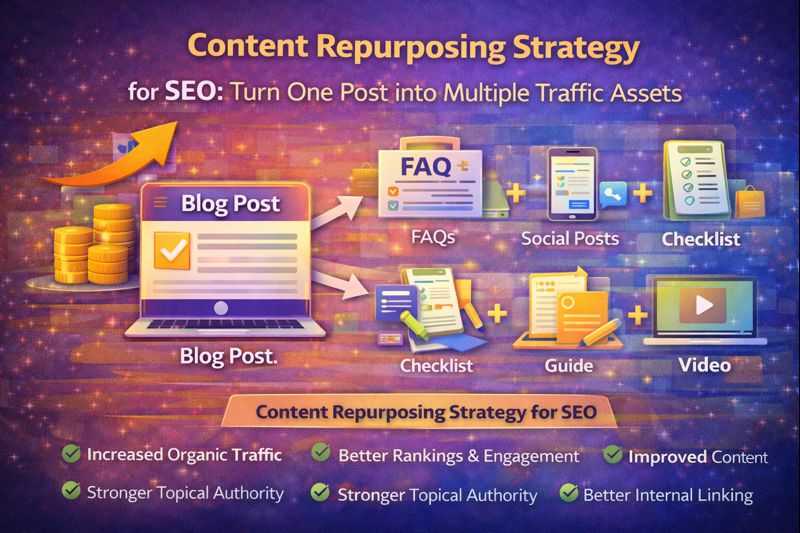
Content Repurposing Strategy for SEO: Boost Traffic Without Writing More
Introduction Creating high-quality content takes time, effort, and research. Yet many websites publish a post…
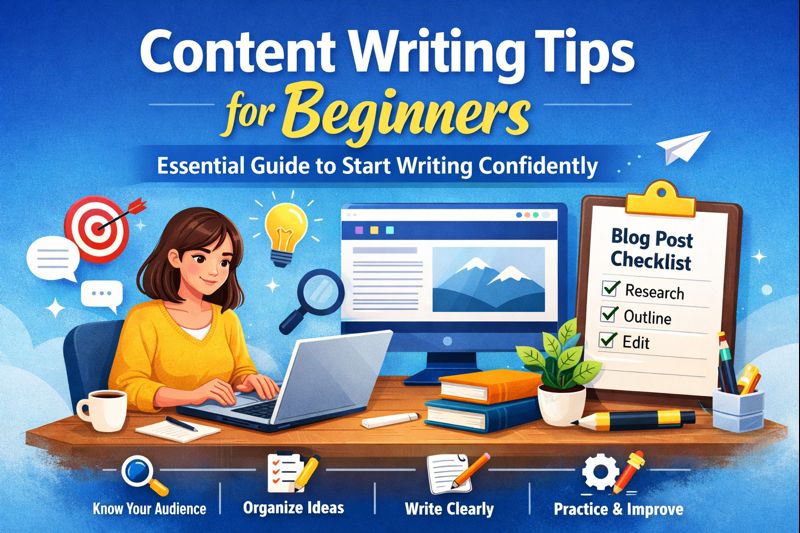
Content Writing Tips for Beginners: How to Start Writing High-Quality Content
Freelance Writing: How to Build Your Portfolio (Step-by-Step Guide for Beginners)