How to Pitch Articles to Blogs and Magazines
Getting published on popular blogs and magazines can significantly boost your credibility as a writer. However, strong writing alone is not enough. Learning how to pitch articles to blogs and magazines effectively is the key step that decides whether your idea gets accepted—or ignored.
This guide explains the exact process of pitching articles in a professional, editor-friendly way, helping writers increase their chances of publication.
What Does It Mean to Pitch Articles to Blogs and Magazines?
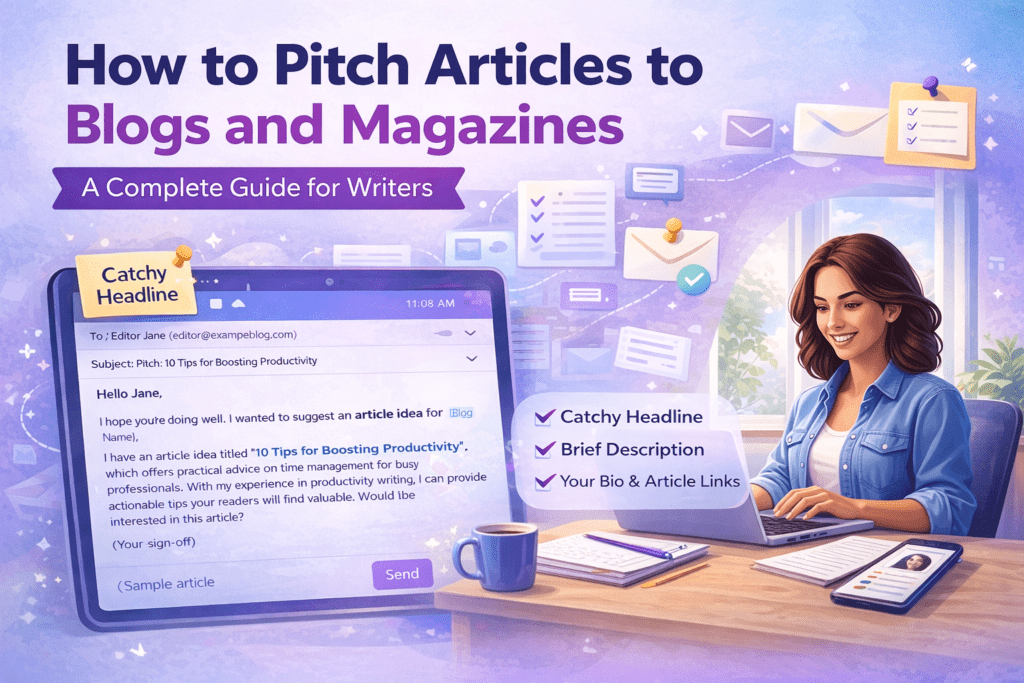
Pitching an article means sending a short proposal to an editor explaining:
- What your article is about
- Why it suits their publication
- Why you are the right person to write it
Understanding how to pitch articles to blogs and magazines properly helps writers communicate value quickly and professionally.
How to Pitch Articles to Blogs and Magazines Successfully
To pitch articles successfully, your proposal should be:
- Clear
- Relevant
- Personalized
- Respectful of the editor’s time
Editors are more likely to respond when your pitch directly aligns with their audience and content goals.
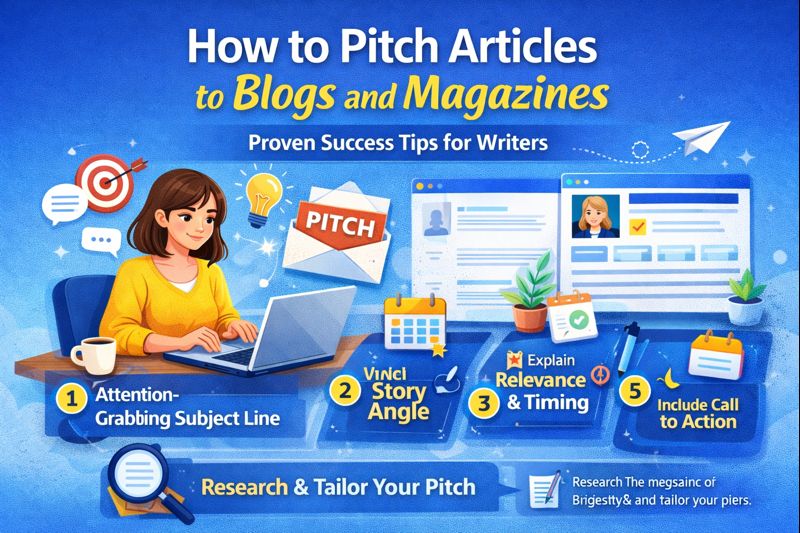
Write an Attention-Grabbing Subject Line
The subject line determines whether your pitch email is opened.
A strong subject line should:
- Mention that it is an article pitch
- Clearly describe the topic
- Avoid vague or promotional language
Example:
Article Pitch: Beginner-Friendly Guide to Ethical AI Writing
When learning how to pitch articles to blogs and magazines, clarity always works better than creativity in subject lines.
Present Your Story’s Unique Angle Clearly
Editors want original ideas, not repeated content.
Explain:
- What makes your article different
- What problem it solves for readers
- Why it adds value to their platform
A well-defined angle is one of the most important elements when pitching articles to blogs and magazines.
Highlight Your Qualifications Briefly
Editors need to trust that you can deliver quality content.
Mention:
- Relevant writing experience
- Published work (if any)
- Your connection to the topic
Keep this section short and relevant. Even beginners can build credibility by showing genuine interest and research.
Explain Relevance and Publishing Timing
Explain why your article should be published now.
You can mention:
- Current trends
- Seasonal relevance
- Evergreen value for readers
Showing awareness of timing proves that you understand the publication’s content strategy.
Include a Clear and Polite Call to Action
Always end your pitch with a simple next step.
Examples:
- “I’d be happy to share a detailed outline if this idea fits.”
- “Please let me know if you’d like me to proceed with a draft.”
A clear call to action makes pitching articles to blogs and magazines more effective and professional.
Additional Tips to Improve Your Pitch
Follow these best practices:
- Research the blog or magazine before pitching
- Match their tone and audience
- Keep your pitch between 150–250 words
- Avoid sending attachments unless requested
- Personalize every pitch email
Consistency and research are essential when mastering how to pitch articles to blogs and magazines.
Frequently Asked Questions for How to Pitch Articles to Blogs and Magazines
1. What is an article pitch?
An article pitch is a short message you send to a blog, magazine, or editor to suggest your article idea. It explains your topic, why it is useful for their audience, and why you are the right person to write it.
2. Should I send the full article in a pitch?
No. Most editors prefer a short summary or outline. Send the full article only if requested.
3. How do you write a good article pitch?
A good article pitch includes a clear topic idea, a strong headline, a short summary, and your author introduction. It should be polite, concise, and focused on how your article will benefit the publication’s readers.
4. What should be included in a pitch email?
A pitch email should include a subject line, article idea, brief description, your writing experience, and links to your previous work. Keep the email professional and easy to read.
4. How long should an article pitch be?
An article pitch should be short, usually between 100 and 200 words. Editors prefer clear and direct pitches that explain the idea quickly.
5. How do I find blogs and magazines to pitch?
You can find blogs and magazines by searching online, checking websites in your niche, reading submission guidelines, and looking for “Write for Us” pages.
6. How long does it take to get a response from editors?
Editors may respond within a few days or take several weeks. If you do not receive a reply after two weeks, you can send a polite follow-up email.
7. Can beginners pitch articles to magazines?
Yes, beginners can pitch articles. Many blogs and websites accept new writers if the idea is useful, original, and relevant to their audience.
8. Do writers get paid for article pitches?
Yes, many blogs and magazines pay writers for accepted articles. Payment depends on the publication, topic, and writer’s experience.
Learning how to pitch articles to blogs and magazines is a crucial skill for writers who want visibility and growth.
A well-written pitch:
- Shows professionalism
- Respects the editor’s time
- Highlights value over self-promotion
With practice and research, your pitches can lead to high-quality publications and stronger writing credibility.
How To Start Writing High-Quality Content: A Beginner-Friendly Step-by-Step Guide | AspirixWriters
Reference
- Google Search Central – Creating Helpful, Reliable, People-First Content
https://developers.google.com/search/docs/fundamentals/creating-helpful-content
- Academic Writing
- AI Ethics & Future
- AI in Academic Research
- AI in Business & Marketing
- AI in Content Creation
- AI in Design & Development
- AI in Education/Teaching
- AI in Research
- AI Tools & Review
- Indian Laws
- Motivation
- SEO & Digital Marketing
- Writing & Content Creation
Common Content Writing Mistakes and How to Avoid Them (Beginner-Friendly Guide)
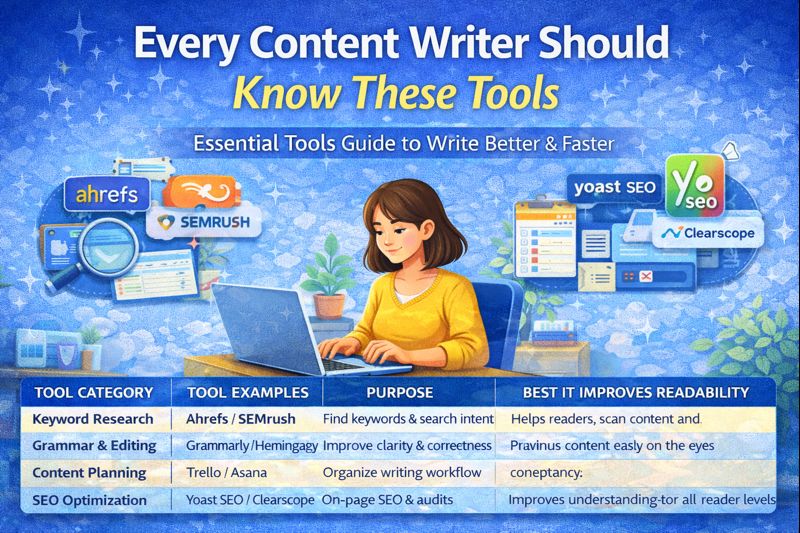
Every Content Writer Should Know These Tools: Essential Writing Tools Guide
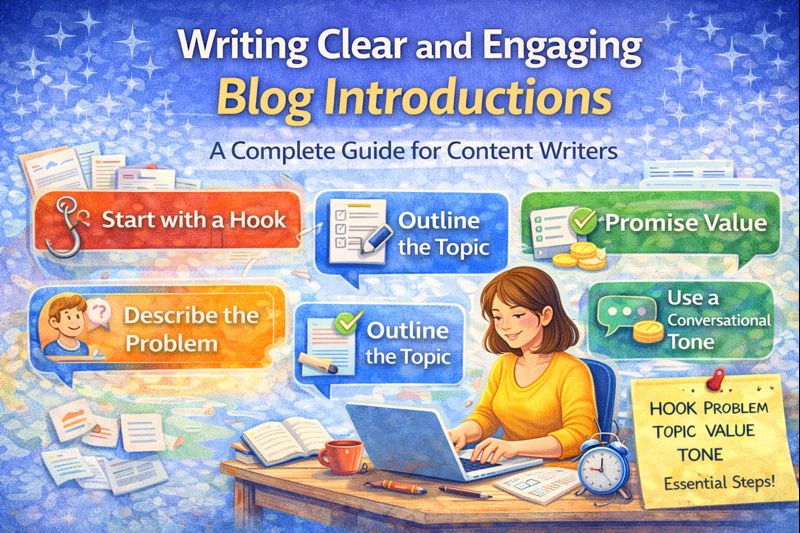
Writing Clear and Engaging Blog Introductions: A Complete Guide for Content Writers
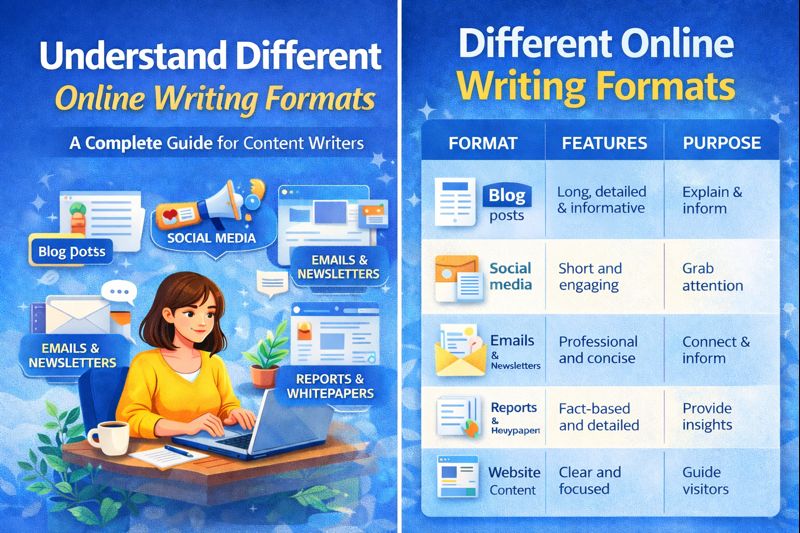
Understand Different Online Writing Formats: A Complete Guide for Content Writers
How to Pitch Articles to Blogs and Magazines: A Complete Guide for Writers
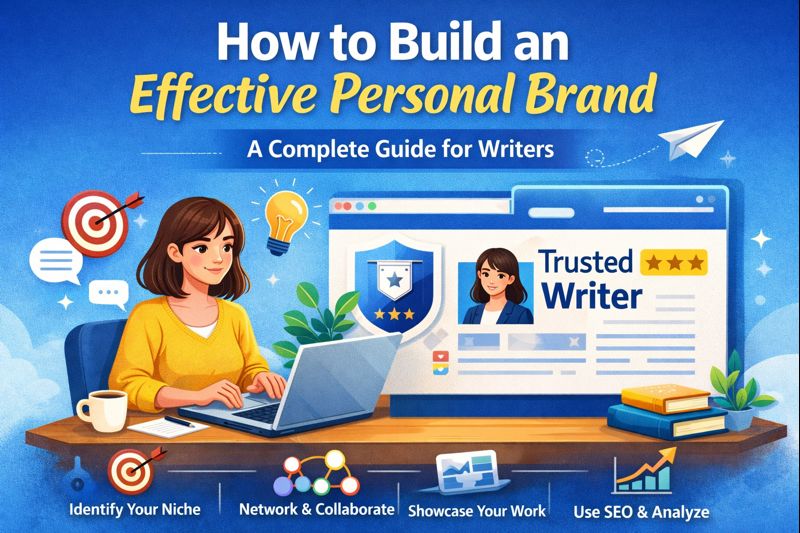
How to Build an Effective Personal Brand: A Complete Guide for Writers
How to Structure Content for Maximum Readability: A Practical Guide for Writers
The Role of Research in Effective Writing: How Research Builds Credibility and Trust
Have you ever wondered why some articles feel powerful, trustworthy, and insightful—while others feel shallow…
Content Writing Tips for Beginners: How to Start Writing High-Quality Content
Freelance Writing: How to Build Your Portfolio (Step-by-Step Guide for Beginners)
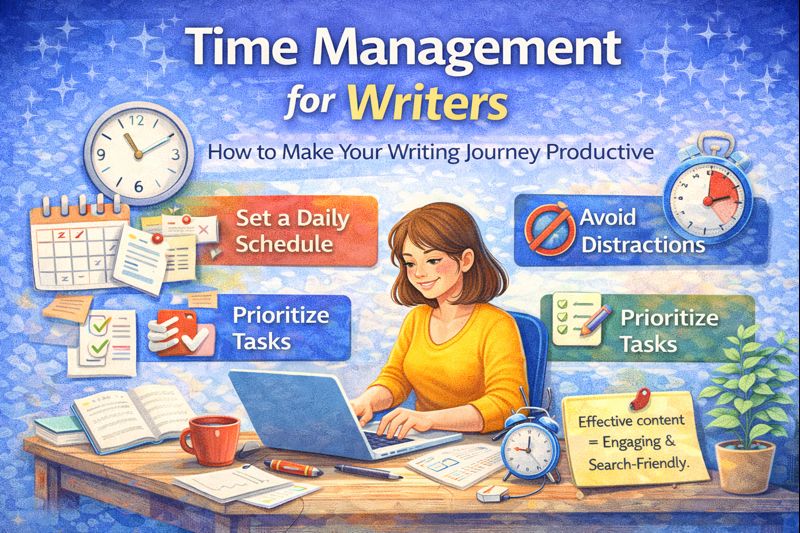
Time Management for Writers: How to Make Your Writing Journey Productive