
Introduction
One of the biggest reasons content fails to rank is not poor writing or weak SEO—it is intent mismatch. Content may be well-researched and optimized, yet still struggle because it does not match what users are actually looking for.
This is where understanding search intent strategy in content marketing becomes essential. Google’s primary goal is to satisfy user intent. When content aligns closely with that intent, rankings improve naturally.
In this guide, you’ll learn how search intent works, why it matters, and how to build content strategies that match user expectations and Google’s ranking logic.
What Is Search Intent Strategy in Content Marketing?
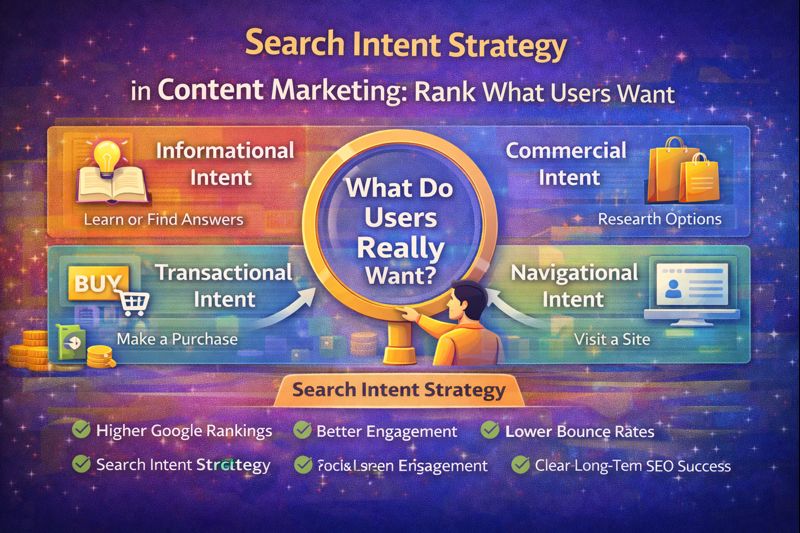
Search intent strategy in content marketing is the process of creating content based on the purpose behind a user’s search—whether they want information, comparison, action, or navigation.
Instead of focusing only on keywords, this strategy prioritizes user expectations and intent alignment to improve rankings and engagement.
Why Search Intent Matters More Than Keywords Today
Search engines have become much better at understanding context and intent. A page can contain the right keyword but still fail if it does not satisfy the user’s purpose.
Search intent matters because:
- Google ranks pages that best solve the user’s problem
- Intent alignment improves dwell time and engagement
- Mismatched content increases bounce rate
- Correct intent supports long-term ranking stability
This is why search intent strategy in content marketing is now more important than keyword density or volume.
Types of Search Intent in Content Marketing
Understanding intent types is the foundation of effective search intent SEO.
1. Informational Intent
Users want knowledge or answers.
Examples:
- “What is content marketing?”
- “How does SEO work?”
Best content types:
- Guides
- Tutorials
- Explainers
- FAQs
2. Commercial Intent
Users are researching options before deciding.
Examples:
- “Best content marketing tools”
- “SEO vs content marketing”
Best content types:
- Comparisons
- Reviews
- Strategy breakdowns
3. Transactional Intent
Users are ready to take action.
Examples:
- “Content marketing services”
- “Hire content writer”
Best content types:
- Service pages
- Landing pages
- Conversion-focused content
4. Navigational Intent
Users want to reach a specific site or brand.
Examples:
- “Google Search Console login”
- “AspirixWriters blog”
Best content types:
- Brand pages
- Homepage or category pages
Understanding these intent types is critical for building a strong user intent content strategy.
How Search Intent Strategy in Content Marketing Works
Below is a practical, step-by-step framework.
1. Analyze Keywords Through an Intent Lens
Do not stop at keyword volume. Ask:
- What problem is the user trying to solve?
- Are they learning, comparing, or buying?
Look at:
- SERP results
- Page formats ranking on page one
- Headlines and content depth
This is the foundation of keyword intent analysis.
2. Match Content Format to Intent
Google already shows what it prefers.
For example:
- If top results are guides → write a guide
- If results are listicles → use a list format
- If results are service pages → informational blogs won’t rank
Matching format improves search intent strategy in content marketing effectiveness.
3. Use Intent-Based Headings and Language
Headings should reflect user questions, not just keywords.
Example:
- Instead of: “Content Marketing SEO”
- Use: “How Does Content Marketing Improve SEO?”
This approach supports intent-based content writing and conversational clarity.
4. Avoid Mixing Multiple Intents on One Page
One page = one dominant intent.
Avoid:
- Teaching + selling on the same page
- Mixing beginner and advanced content
- Forcing CTAs where users want information
Clear focus improves rankings and trust.
5. Support Intent with Internal Linking
Use internal links to guide users:
- Informational → commercial content
- Commercial → transactional pages
This strengthens the overall content marketing strategy for SEO.
Real-World Use Cases
Use Case 1: Blogs
Blogs aligned with informational intent rank more consistently and earn featured snippets.
Use Case 2: Service Websites
Businesses that separate informational blogs from service pages see better conversion rates.
Use Case 3: AdSense Blogs
Intent-matched informational content improves dwell time and page views, supporting stable monetization.
Benefits of Search Intent Strategy
- Higher Google rankings
- Better user satisfaction
- Lower bounce rates
- Improved engagement metrics
- Clearer content structure
- Long-term SEO sustainability
These benefits explain why search intent strategy in content marketing is a core ranking factor.
Challenges & Limitations
A realistic approach includes challenges:
- Intent can change over time
- Some keywords have mixed intent
- Requires manual SERP analysis
- Over-optimization can reduce natural flow
Regular review and updates help overcome these challenges.
Best Practices & Tips
- Always check SERP before writing
- Write for users first, keywords second
- Use FAQs to clarify intent
- Keep one intent per page
- Update content when intent shifts
- Avoid aggressive selling on informational pages
These content marketing best practices align with Google’s Helpful Content System.
FAQs
1. What is search intent strategy in content marketing?
It is the practice of creating content based on the purpose behind a user’s search to improve rankings, engagement, and satisfaction.
2. How does search intent affect SEO rankings?
Google prioritizes content that best matches user intent. Pages that solve the user’s problem clearly rank higher.
3. Can one keyword have multiple search intents?
Yes, but Google usually favors one dominant intent. Content should align with what most users expect.
4. Is search intent more important than keywords?
Yes. Keywords help discoverability, but intent determines ranking success and user engagement.
5. How often should search intent be reviewed?
Search intent should be reviewed every 3–6 months, especially for competitive or trending topics.
6. Does search intent strategy help AdSense blogs?
Yes. Intent-matched informational content improves engagement and page views, which supports better AdSense performance.
Conclusion
Ranking on Google is no longer about placing keywords—it’s about meeting expectations. Understanding search intent strategy in content marketing allows you to create content that satisfies users, earns trust, and aligns with how search engines evaluate relevance.
When content is written with intent clarity, it becomes easier to rank, easier to read, and more valuable over time—supporting sustainable traffic and monetization.
Author Bio
Dr. Rekha Khandelwal is a content strategist, academic writer, and SEO-focused consultant specializing in content marketing, search intent optimization, and ethical digital growth. Through AspirixWriters, she helps creators and businesses build Google-friendly, AdSense-safe content strategies that rank with clarity and purpose.
References
- Google Search Central – Understanding Search Intent
https://developers.google.com/searchGoogle Helpful Content System - Stanford University – User Search Behavior Research
https://www.stanford.edu - Microsoft Learn – Search Experience Design
https://learn.microsoft.com
Must Read – Content Marketing Strategy That Ranks on Google (Complete Guide)
Writing Services
Contact us for writing services
- Academic Writing
- Editing & Proofreading
- SME Writing Services
- SEO Blogwriting Services
- Creative & Ghostwriting
- Academic Writing
- AI Ethics & Future
- AI in Academic Research
- AI in Business & Marketing
- AI in Content Creation
- AI in Design & Development
- AI in Education/Teaching
- AI in Research
- AI Tools & Review
- Indian Laws
- Motivation
- SEO & Digital Marketing
- Writing & Content Creation
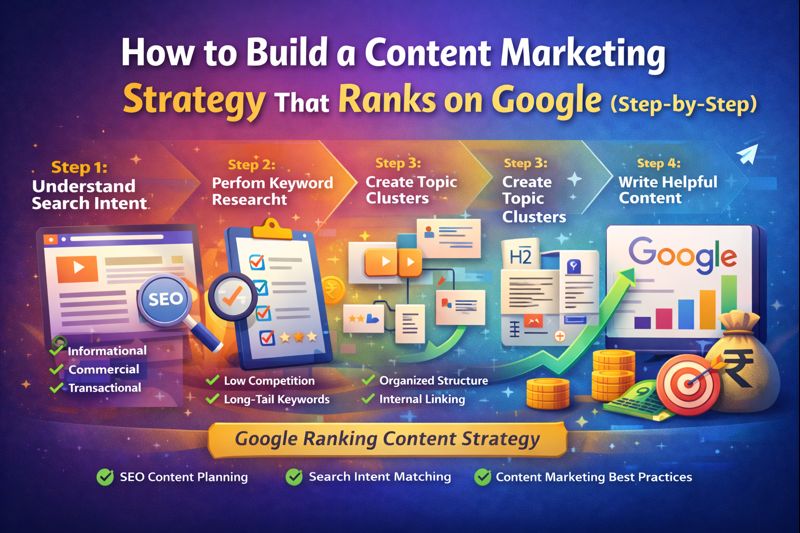
Content Marketing Strategy That Ranks on Google (Complete Guide)
How to Build a Content Marketing Strategy That Ranks on Google Many websites publish content…
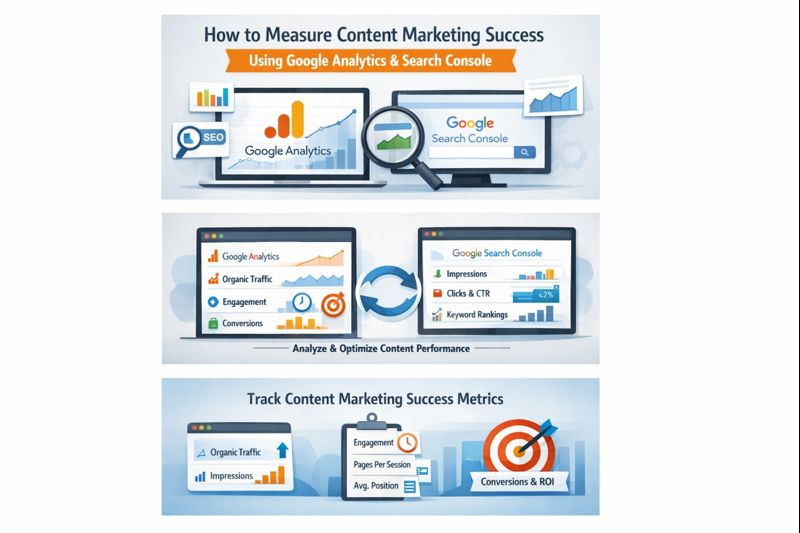
Content Marketing Success Using Google Analytics & Search Console
Introduction Creating content is only half the work. Without measurement, even high-quality content becomes guesswork….
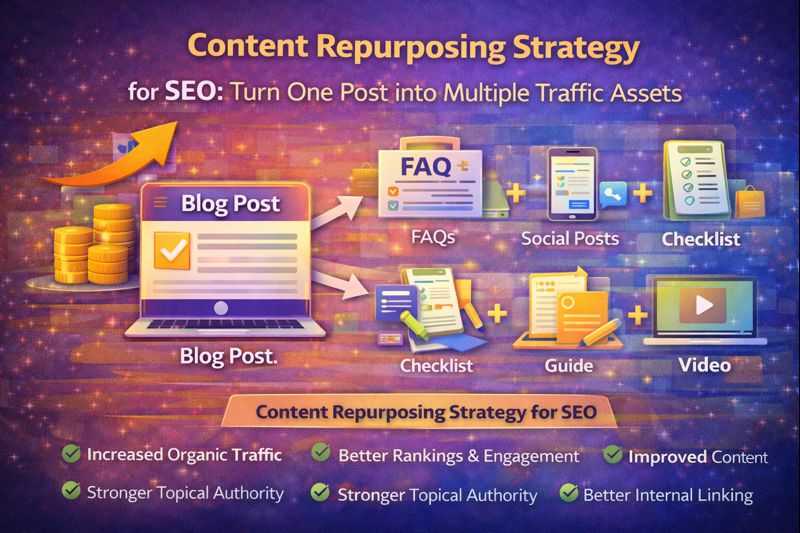
Content Repurposing Strategy for SEO: Boost Traffic Without Writing More
Introduction Creating high-quality content takes time, effort, and research. Yet many websites publish a post…
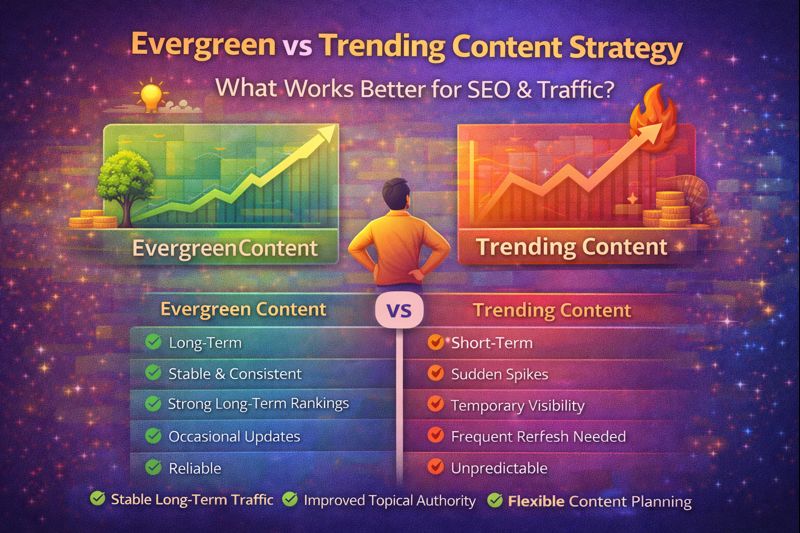
Evergreen vs Trending Content Strategy: What Works Better for SEO?
Introduction Content creators often face a common dilemma:Should you focus on evergreen content that lasts…

How Content Marketing Helps You Monetize Blogs with AdSense (2026)
Introduction Many bloggers struggle with a common problem: their blog gets content published, but income…
How to Optimize Content for AI Search & Zero-Click Results Smartly
Introduction Search results are no longer limited to blue links. Today, users often find answers…
Internal Linking Strategy for Content Marketing: Boost SEO Rankings
Introduction Many websites focus heavily on publishing new content but overlook one of the most…
Low-Competition Keyword Research for Content Marketing (Step-by-Step)
low-competition keyword research for content marketing – One of the biggest mistakes content creators make…
Search Intent Strategy in Content Marketing: Rank What Users Want
Introduction One of the biggest reasons content fails to rank is not poor writing or…
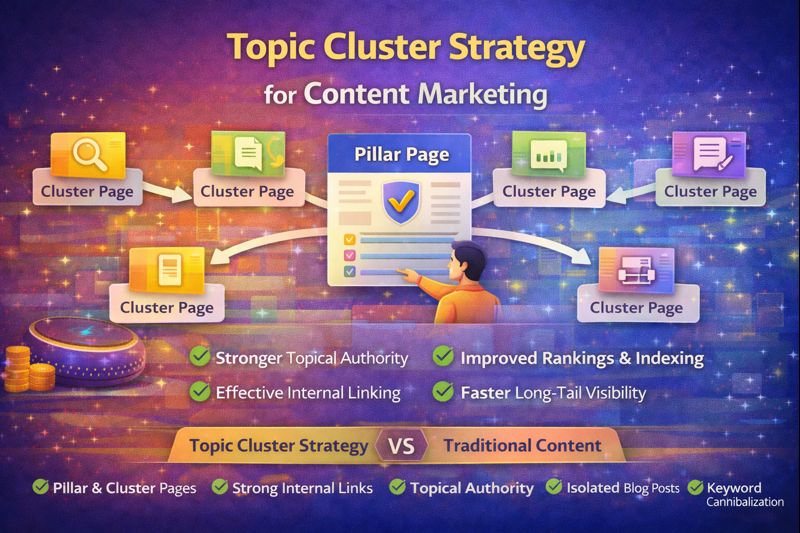
Topic Cluster Strategy: How to Build Topical Authority with Content Marketing
Introduction Many websites publish high-quality content regularly, yet struggle to rank consistently on Google. The…
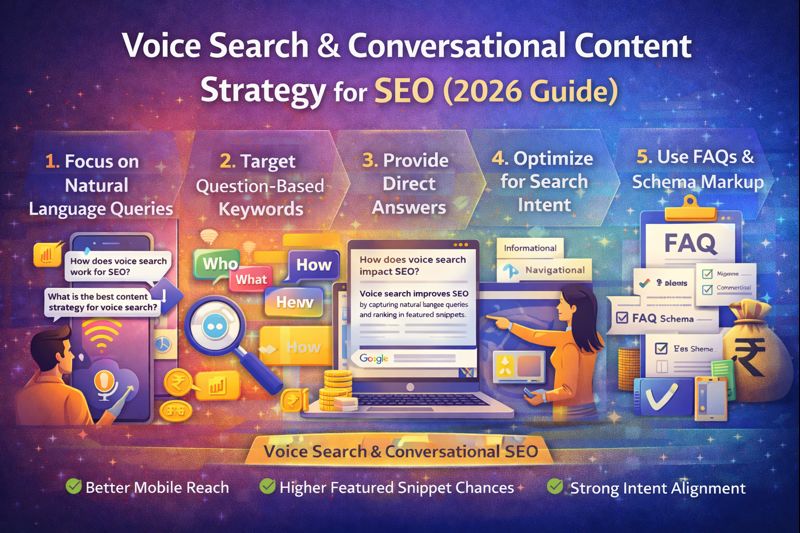
Voice Search & Conversational Content Strategy for SEO (2026 Guide)
Voice Search & Conversational Content Strategy – Search behavior has changed dramatically. People no longer…
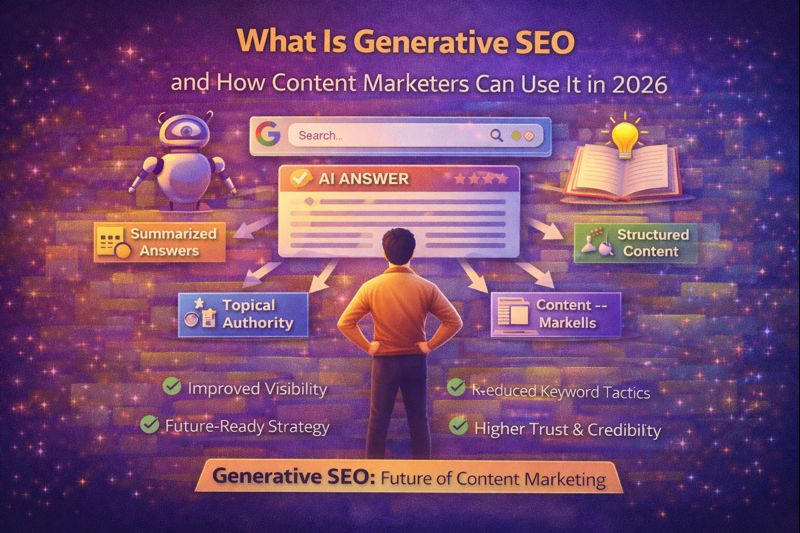
What Is Generative SEO and How Content Marketers Can Use It in 2026
Introduction What Is Generative SEO – Search engines are changing faster than ever. Traditional SEO…