Did you know that most readers decide whether to continue reading within the first few seconds?
That’s why writing clear and engaging blog introductions is one of the most important skills every content writer must master.
A strong introduction grabs attention, connects with the reader’s problem, and motivates them to read till the end. In this guide, you’ll learn how to write clear and engaging blog introductions that improve readability, engagement, and SEO performance.
Why Blog Introductions Matter
Writing clear and engaging blog introductions sets the tone for your entire article.
A well-written introduction:
- Reduces bounce rate
- Builds trust instantly
- Improves time on page
- Helps search engines understand content intent
Without a strong introduction, even valuable content may go unread.
Start with a Strong Hook
The first line must capture attention immediately.
You can start with:
- A question
- A surprising fact
- A short story
- A bold statement
Example:
Have you ever clicked on a blog, read the first paragraph, and left instantly?
Strong hooks are the foundation of writing clear and engaging blog introductions.
Describe the Reader’s Problem
Once attention is captured, address the reader’s pain point.
Readers continue reading when they feel:
- Understood
- Seen
- Personally addressed
Explain the problem clearly so they connect emotionally with your content.
Outline the Topic Clearly
After presenting the problem, tell readers what the blog is about.
This gives clarity and sets expectations.
Example:
In this article, you’ll learn simple techniques to write blog introductions that engage readers and improve retention.
Clarity is essential when writing clear and engaging blog introductions.
Promise Value to the Reader
Readers ask one question subconsciously:
“What’s in it for me?”
Your introduction should clearly state the benefit:
- What will they learn?
- How will it help them?
- Why should they continue reading?
This value promise keeps readers invested.
Use a Conversational Tone
A conversational tone builds connection and trust.
To sound conversational:
- Write like you speak
- Use “you” and “your”
- Avoid overly formal language
Writing clear and engaging blog introductions becomes easier when you imagine talking to one reader.
Introduction Writing Checklist (Quick Guide)
| Element | What to Do | Why It Matters |
|---|---|---|
| Hook | Ask a question or share a fact | Grabs attention instantly |
| Problem | Highlight reader pain point | Builds emotional connection |
| Topic Clarity | Explain what the post covers | Sets expectations |
| Value Promise | State reader benefits | Motivates continuation |
| Tone | Keep it conversational | Builds trust & engagement |
This checklist improves consistency in writing clear and engaging blog introductions.
Conclusion
Writing clear and engaging blog introductions is not optional—it’s essential.
A strong introduction:
- Hooks readers
- Communicates value
- Encourages full reading
- Improves SEO indirectly
Master this skill, and every blog you write will perform better.
Frequently Asked Questions (FAQs)
Should blog introductions be long?
No. Blog introductions should be concise, clear, and engaging—usually 80–150 words.
What makes an introduction engaging?
A strong hook, problem identification, topic clarity, and a clear value promise.
Does writing clear and engaging blog introductions help SEO?
Yes. Better engagement reduces bounce rate and improves user experience, which supports SEO.
Can beginners write good blog introductions?
Absolutely. With practice and structure, beginners can master writing clear and engaging blog introductions.
Writing Clear and Engaging Blog Introductions: A Complete Guide for Content Writers
References
- Google Search Central – Creating Helpful, Reliable, People-First Content
https://developers.google.com/search/docs/fundamentals/creating-helpful-content - Nielsen Norman Group – How Users Read on the Web
https://www.nngroup.com/articles/how-users-read-on-the-web/
- Academic Writing
- AI Ethics & Future
- AI in Academic Research
- AI in Business & Marketing
- AI in Content Creation
- AI in Design & Development
- AI in Education/Teaching
- AI in Research
- AI Tools & Review
- Indian Laws
- Motivation
- SEO & Digital Marketing
- Writing & Content Creation
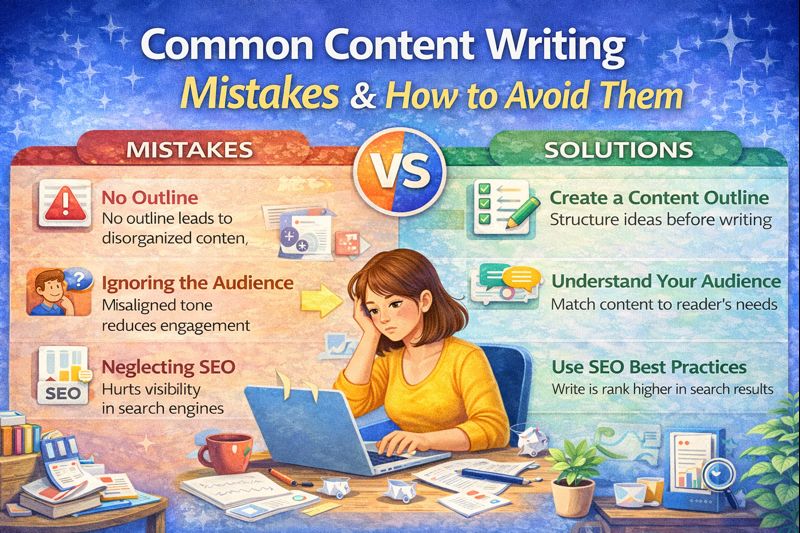
Common Content Writing Mistakes and How to Avoid Them (Beginner-Friendly Guide)
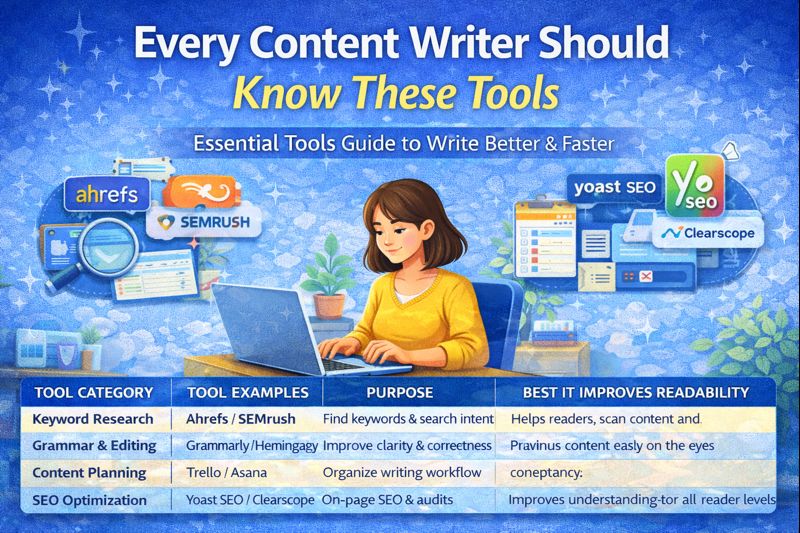
Every Content Writer Should Know These Tools: Essential Writing Tools Guide
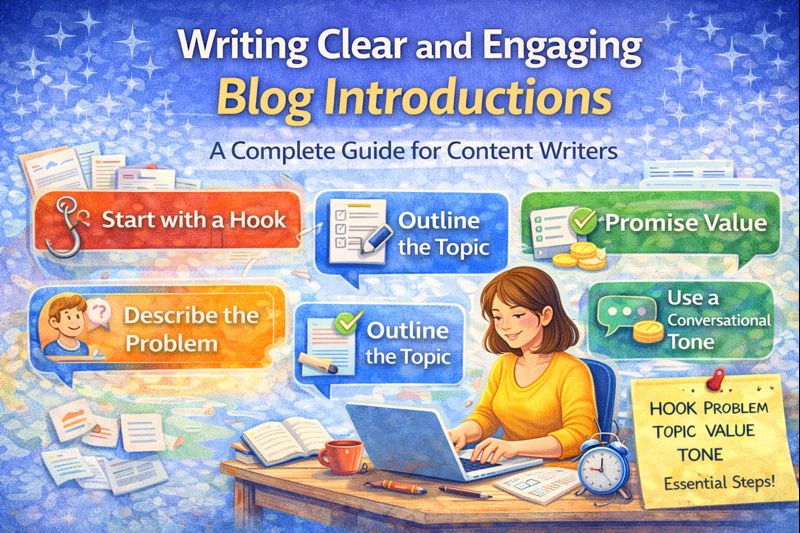
Writing Clear and Engaging Blog Introductions: A Complete Guide for Content Writers
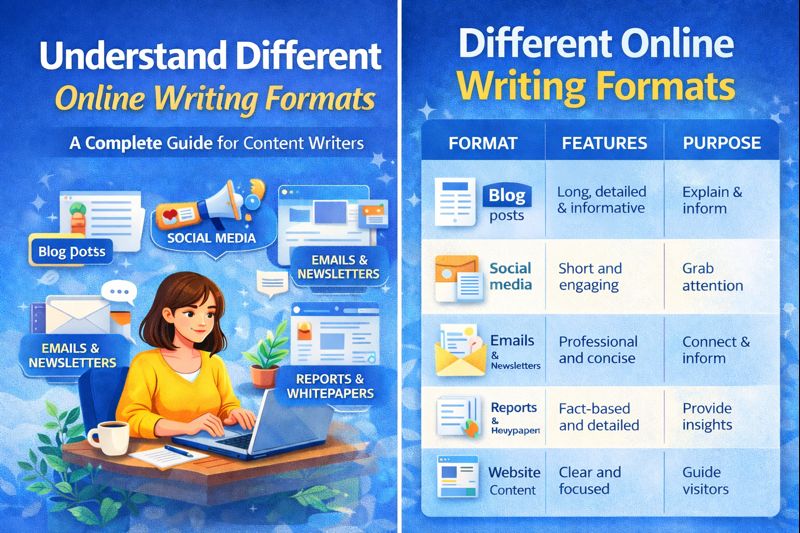
Understand Different Online Writing Formats: A Complete Guide for Content Writers
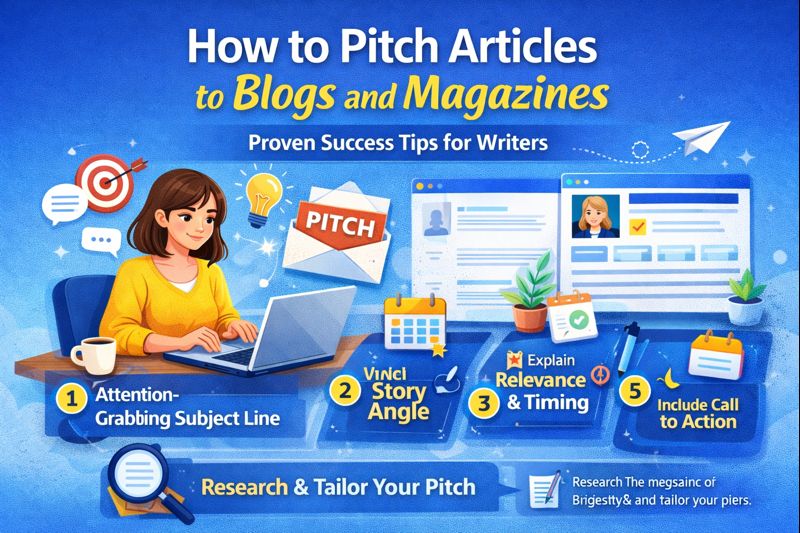
How to Pitch Articles to Blogs and Magazines: A Complete Guide for Writers

How to Build an Effective Personal Brand: A Complete Guide for Writers
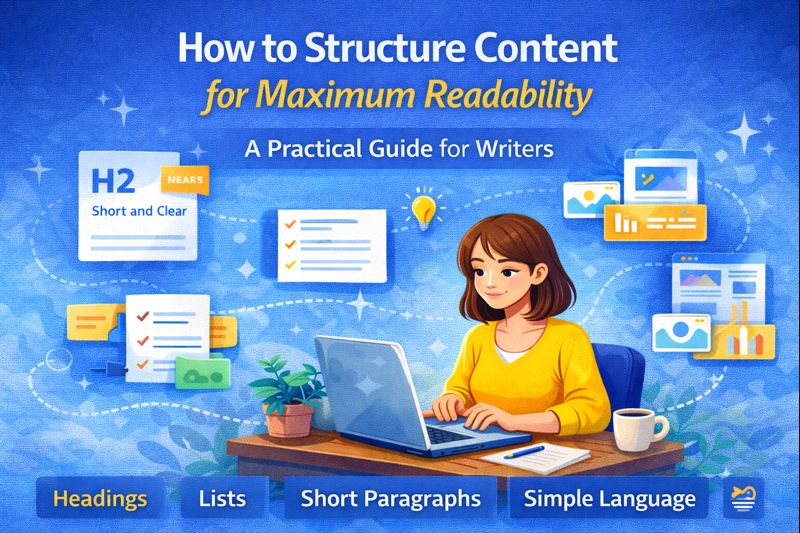
How to Structure Content for Maximum Readability: A Practical Guide for Writers
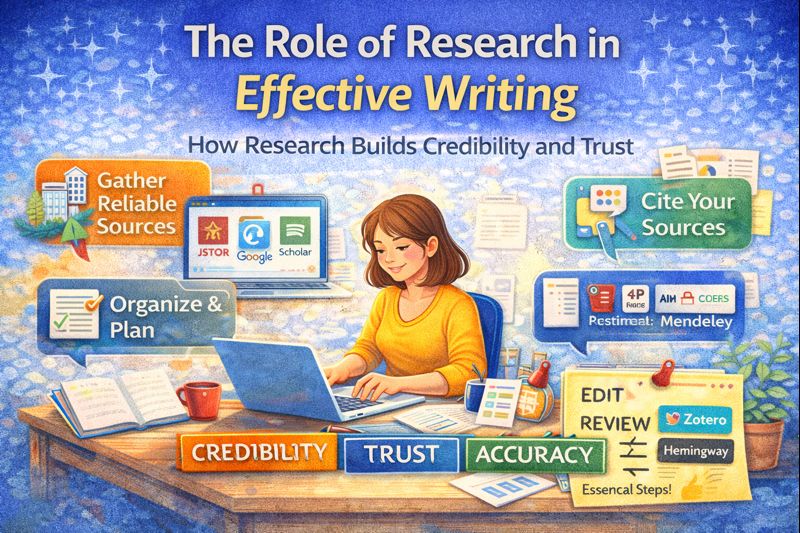
The Role of Research in Effective Writing: How Research Builds Credibility and Trust
Have you ever wondered why some articles feel powerful, trustworthy, and insightful—while others feel shallow…
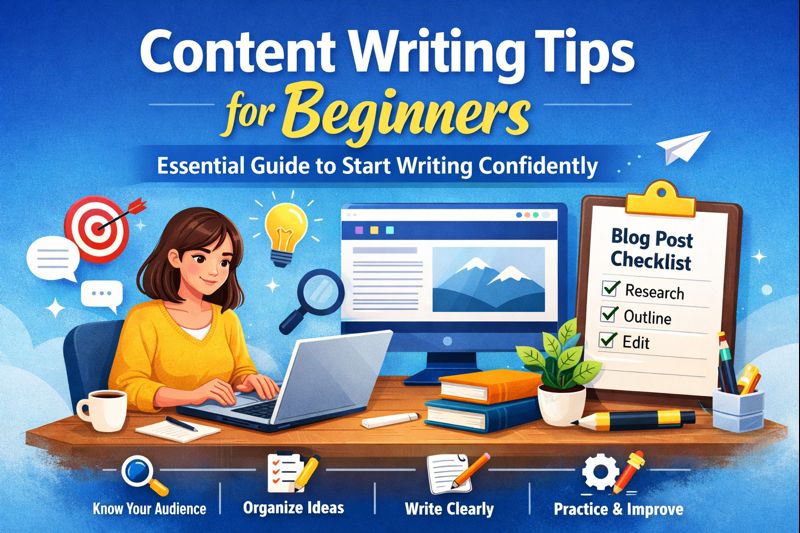
Content Writing Tips for Beginners: How to Start Writing High-Quality Content

Freelance Writing: How to Build Your Portfolio (Step-by-Step Guide for Beginners)
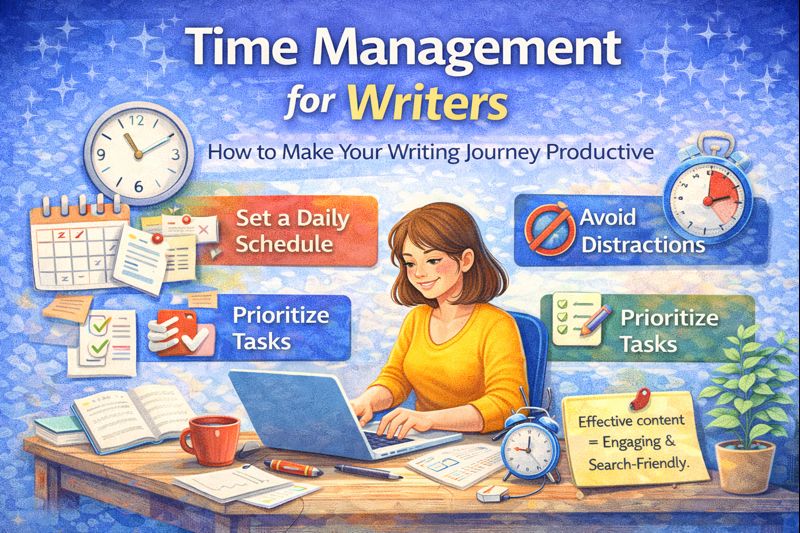
Time Management for Writers: How to Make Your Writing Journey Productive