
Introduction
Creating high-quality content takes time, effort, and research. Yet many websites publish a post once and move on—leaving valuable content underutilized.
This is where understanding content repurposing strategy for SEO becomes essential. Repurposing allows you to extend the life of your content, reach new audiences, and improve search visibility without constantly creating new articles.
In this guide, you’ll learn how to reuse existing content strategically to increase traffic, strengthen SEO performance, and support long-term growth.
What Is Content Repurposing Strategy for SEO?
Content repurposing strategy for SEO is the practice of transforming existing content into multiple formats or updating it for different purposes while preserving its core message.
Instead of starting from scratch, you reuse proven content to improve reach, engagement, and search performance.
Why Content Repurposing Matters in SEO Today
Search engines reward freshness, relevance, and consistency. Repurposing helps meet all three without excessive workload.
Content repurposing matters because it:
- Extends the lifespan of ranking content
- Improves internal linking opportunities
- Increases topical authority
- Reaches users across multiple platforms
- Saves time while improving ROI
That’s why content repurposing strategy for SEO is a smart approach for sustainable content marketing.
How Content Repurposing Strategy for SEO Works
Below is a practical framework you can apply immediately.
1. Identify High-Performing or Evergreen Content
Start by reviewing:
- Pages with steady organic traffic
- Posts ranking on page 2–3
- Evergreen guides and tutorials
These are ideal candidates for SEO content repurposing.
2. Match Repurposing Format to User Intent
Different formats serve different purposes:
- Informational → FAQs, short guides
- Commercial → comparisons, checklists
- Educational → tutorials, summaries
Matching format ensures your content reuse strategy supports SEO and engagement.
3. Update and Expand Existing Content
Instead of rewriting:
- Add new sections
- Refresh examples and data
- Improve headings and structure
- Add FAQs
Updating content improves freshness signals and ranking potential.
4. Break Long Content into Smaller Assets
A single long post can become:
- Multiple blog posts
- FAQ sections
- Social snippets
- Email content
This approach supports blog content repurposing while keeping messaging consistent.
5. Strengthen Internal Linking Through Repurposing
Every repurposed piece should:
- Link back to the original post
- Connect to related cluster articles
This reinforces your content marketing strategy for SEO and improves crawlability.
Real-World Use Cases
Use Case 1: Blogging Websites
Repurposing long-form guides into supporting articles improves topical depth and rankings.
Use Case 2: Service-Based Sites
Businesses reuse educational blogs into landing-page support content to improve conversions.
Use Case 3: AdSense Blogs
Repurposed informational content increases page views and session duration, supporting stable monetization.
Benefits of Content Repurposing Strategy for SEO
- Increased organic traffic
- Better content ROI
- Stronger topical authority
- Improved internal linking
- Faster content production
- Long-term SEO sustainability
These benefits explain why content repurposing strategy for SEO is essential for scalable growth.
Challenges & Limitations
A realistic strategy also considers challenges:
- Poor repurposing can cause duplication
- Requires planning to avoid keyword overlap
- Low-quality updates won’t improve rankings
- Needs periodic review
When done carefully, repurposing strengthens rather than weakens SEO.
Best Practices & Tips
- Repurpose only high-quality content
- Focus on intent, not just format
- Avoid duplicating paragraphs verbatim
- Update titles and headings meaningfully
- Add value with every reuse
- Track performance after repurposing
These content marketing best practices align with Google’s Helpful Content System.
FAQs
1. What is content repurposing strategy for SEO?
It is the process of reusing existing content in different formats or updated versions to improve SEO performance, traffic, and engagement without creating entirely new content.
2. How does content repurposing help SEO rankings?
Repurposing improves freshness, internal linking, and topical authority, which helps search engines understand relevance and rank content better.
3. Can repurposed content cause duplicate content issues?
No, if content is meaningfully updated, reformatted, or expanded. Avoid copying the same paragraphs without adding value.
4. How often should content be repurposed?
High-performing or evergreen content should be reviewed every 3–6 months for repurposing opportunities.
5. Is content repurposing useful for new websites?
Yes. New websites can build depth faster by repurposing cornerstone content into clusters and supporting articles.
6. Does content repurposing help AdSense blogs?
Yes. Repurposed informational content increases page views and session duration, which supports consistent AdSense performance.
Conclusion
Creating more content is not always the answer. Understanding content repurposing strategy for SEO allows you to maximize the value of what you already have while improving rankings, engagement, and reach.
When repurposing is done with intent, structure, and quality in mind, content becomes a long-term asset rather than a one-time effort—supporting sustainable traffic and monetization growth.
Author Bio
Dr. Rekha Khandelwal is a content strategist, academic writer, and SEO-focused consultant specializing in content marketing systems, content structure, and ethical digital growth. Through AspirixWriters, she helps creators and businesses build Google-friendly, AdSense-safe content strategies that scale sustainably.
References
- Google Search Central – Content Updates & SEO
https://developers.google.com/search - Stanford University – Information Reuse Research
https://www.stanford.edu - Microsoft Learn – Content Strategy & Search
https://learn.microsoft.com
Must Read – Content Marketing Strategy That Ranks on Google (Complete Guide)
Writing Services
Contact us for writing services
- Academic Writing
- AI Ethics & Future
- AI in Academic Research
- AI in Business & Marketing
- AI in Content Creation
- AI in Design & Development
- AI in Education/Teaching
- AI in Research
- AI Tools & Review
- Indian Laws
- Motivation
- SEO & Digital Marketing
- Writing & Content Creation
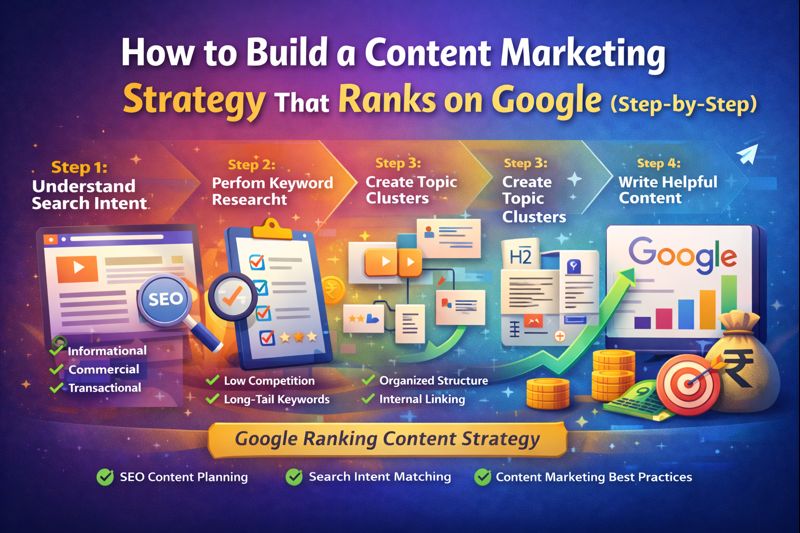
Content Marketing Strategy That Ranks on Google (Complete Guide)
How to Build a Content Marketing Strategy That Ranks on Google Many websites publish content…
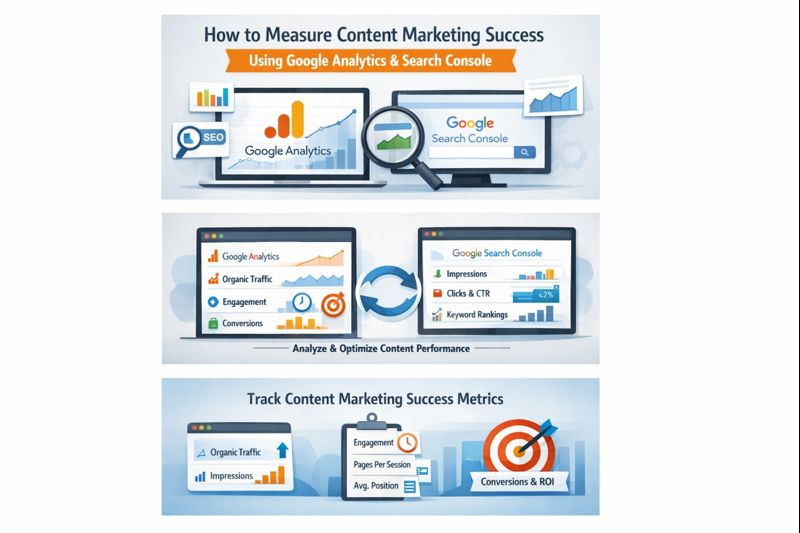
Content Marketing Success Using Google Analytics & Search Console
Introduction Creating content is only half the work. Without measurement, even high-quality content becomes guesswork….
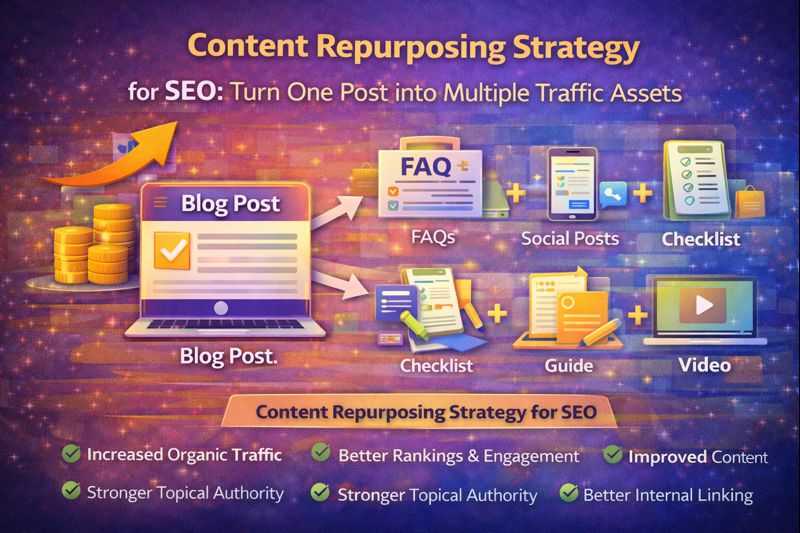
Content Repurposing Strategy for SEO: Boost Traffic Without Writing More
Introduction Creating high-quality content takes time, effort, and research. Yet many websites publish a post…
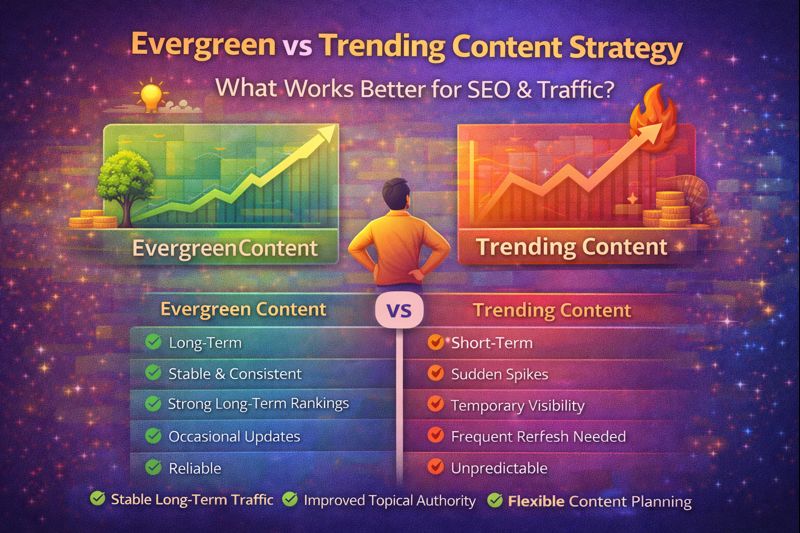
Evergreen vs Trending Content Strategy: What Works Better for SEO?
Introduction Content creators often face a common dilemma:Should you focus on evergreen content that lasts…

How Content Marketing Helps You Monetize Blogs with AdSense (2026)
Introduction Many bloggers struggle with a common problem: their blog gets content published, but income…
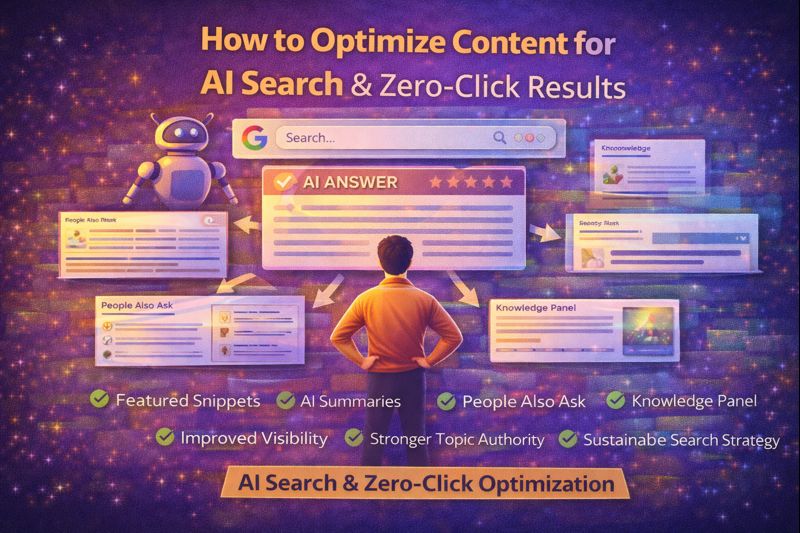
How to Optimize Content for AI Search & Zero-Click Results Smartly
Introduction Search results are no longer limited to blue links. Today, users often find answers…
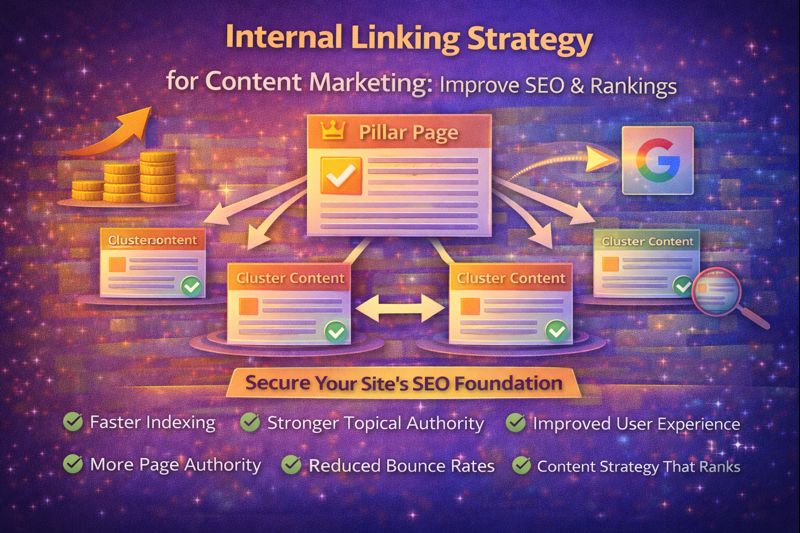
Internal Linking Strategy for Content Marketing: Boost SEO Rankings
Introduction Many websites focus heavily on publishing new content but overlook one of the most…

Low-Competition Keyword Research for Content Marketing (Step-by-Step)
low-competition keyword research for content marketing – One of the biggest mistakes content creators make…
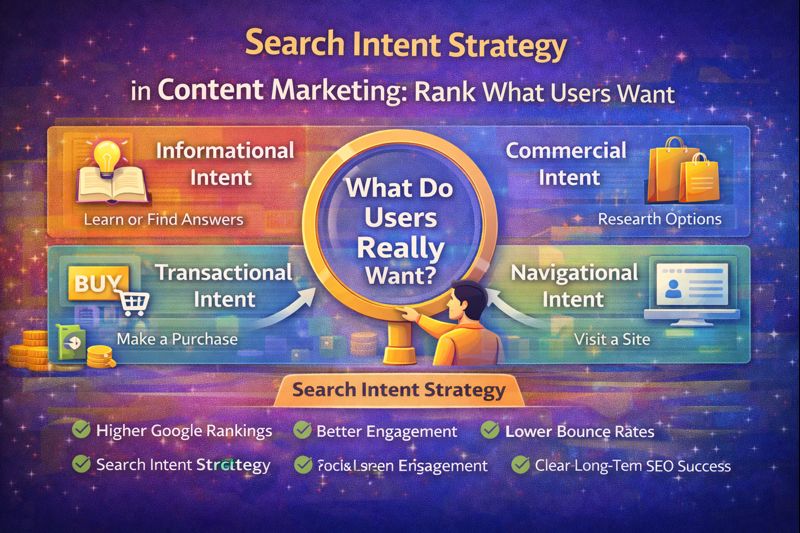
Search Intent Strategy in Content Marketing: Rank What Users Want
Introduction One of the biggest reasons content fails to rank is not poor writing or…
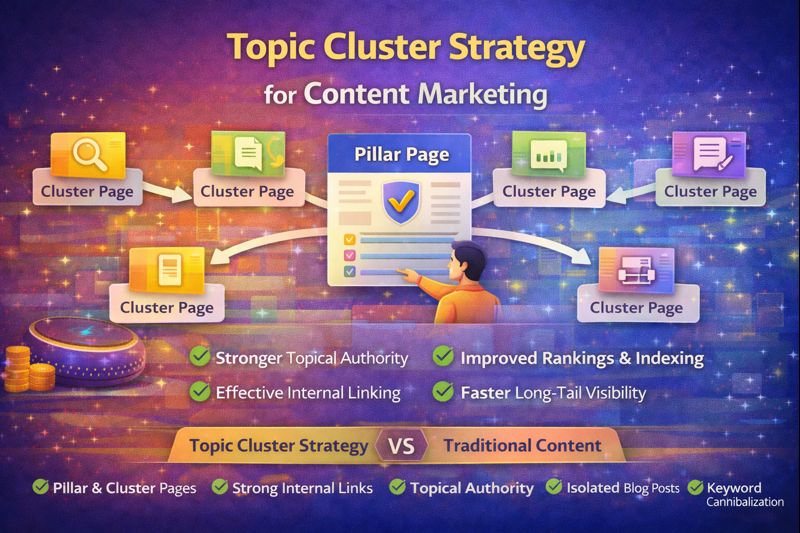
Topic Cluster Strategy: How to Build Topical Authority with Content Marketing
Introduction Many websites publish high-quality content regularly, yet struggle to rank consistently on Google. The…

Voice Search & Conversational Content Strategy for SEO (2026 Guide)
Voice Search & Conversational Content Strategy – Search behavior has changed dramatically. People no longer…
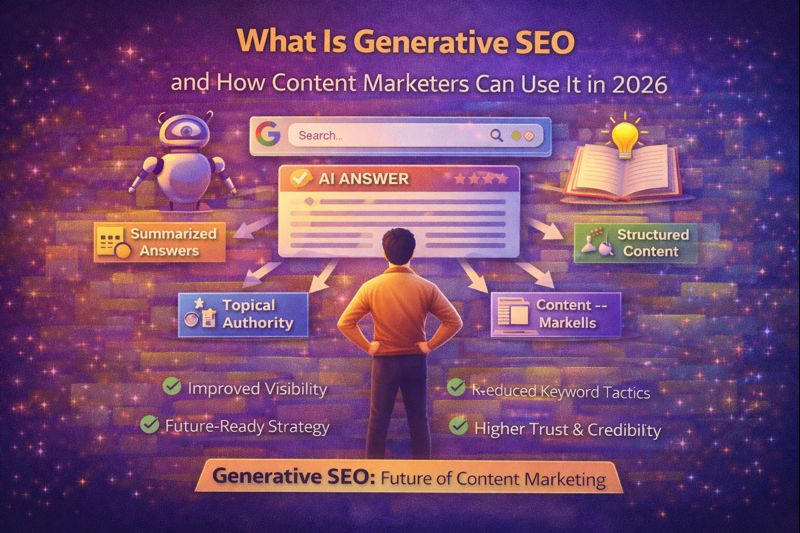
What Is Generative SEO and How Content Marketers Can Use It in 2026
Introduction What Is Generative SEO – Search engines are changing faster than ever. Traditional SEO…