Every content writer should know these tools if they want to write faster, better, and smarter. Without the right tools, content writing can feel slow, confusing, and overwhelming—especially when you’re managing research, writing, editing, and SEO all at once.
In this guide, you’ll learn about essential tools every content writer should know to improve productivity, writing quality, and search visibility.
Why Tools Matter for Content Writers
Every content writer should know these tools because writing today is not just about words—it’s about research, clarity, structure, and optimization.
The right tools help you:
- Save time
- Reduce errors
- Improve SEO
- Maintain consistency
- Write more professionally
Keyword Research Tools
Keyword research is the foundation of SEO content.
Keyword research tools help writers:
- Find what people are searching for
- Understand search intent
- Choose low-competition keywords
Popular tools include:
- Ahrefs
- SEMrush
These tools are especially useful when planning blogs, landing pages, and pillar content.
Grammar and Proofreading Tools
Even experienced writers make mistakes.
Grammar and proofreading tools help:
- Fix grammar and spelling errors
- Improve readability
- Make writing clearer and more professional
Widely used tools:
- Grammarly
- Hemingway Editor
Every content writer should know these tools to ensure clean, polished writing.
Content Planning and Management Tools
Content planning tools help writers stay organized and consistent.
They are useful for:
- Managing content calendars
- Tracking writing progress
- Collaborating with teams
Popular options:
- Trello
- Asana
Using planning tools keeps your writing workflow smooth and stress-free.
SEO and Content Auditing Tools
SEO tools ensure your content performs well in search engines.
They help with:
- On-page SEO optimization
- Content audits
- Keyword placement checks
Recommended tools:
- Yoast SEO
- Clearscope
Every content writer should know these tools to write content that ranks and converts.
Tools Comparison Chart (Quick Guide)
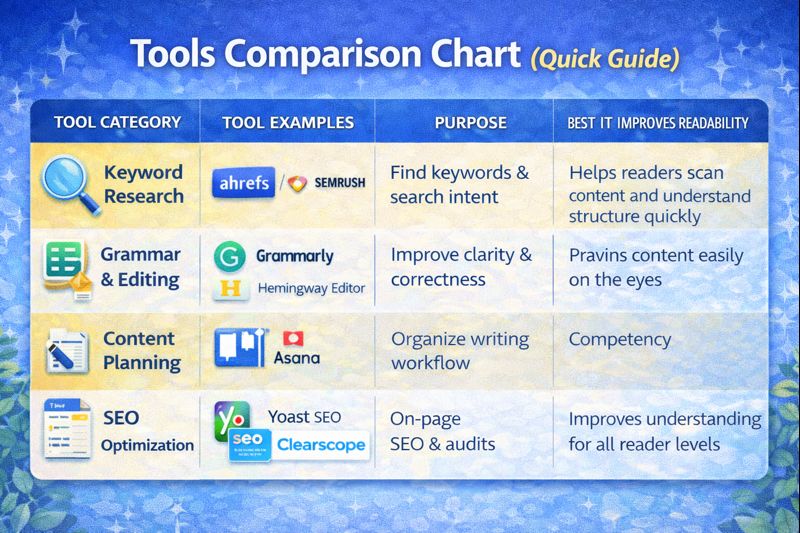
| Tool Category | Tool Examples | Purpose | Best For |
|---|---|---|---|
| Keyword Research | Ahrefs, SEMrush | Find keywords & search intent | SEO blog writing |
| Grammar & Editing | Grammarly, Hemingway | Improve clarity & correctness | Polished content |
| Content Planning | Trello, Asana | Organize writing workflow | Consistency |
| SEO Optimization | Yoast SEO, Clearscope | On-page SEO & audits | Search rankings |
Final Tips for Using Writing Tools
- Don’t rely on tools blindly—use your judgment
- Start with free versions if you’re a beginner
- Combine tools for best results
- Update your skills as tools evolve
When used correctly, tools enhance creativity instead of replacing it.
Frequently Asked Questions (FAQs)
1. What are essential writing tools for content writers?
Essential writing tools are software and platforms that help content writers create, edit, and optimize their content. These include grammar checkers, plagiarism checkers, SEO tools, and research tools that improve writing quality and productivity.
2. Which tool is best for improving grammar and clarity?
Tools like Grammarly and Hemingway Editor are widely used to improve grammar, clarity, and readability. They help writers correct errors and make their content more professional and easy to understand.
3. Are free writing tools enough for professional content writing?
Yes, many free writing tools provide powerful features that are enough for most content writers. Free versions of tools like Grammarly, Google Docs, and Canva can help writers create high-quality content.
4. How do SEO writing tools help content writers?
SEO writing tools help writers find the right keywords, improve content structure, and optimize articles for search engines. This increases the chances of ranking higher on Google and attracting more readers.
In addition, learning how to combine these tools effectively can significantly improve your workflow. For example, using keyword research tools before writing, grammar tools during editing, and SEO tools before publishing ensures your content is accurate, readable, and optimized for search engines.
Final Thoughts
Every content writer should know these tools to stay competitive in today’s digital writing landscape.
The right tools help you:
- Write better content
- Save time
- Improve rankings
- Build trust with readers
Used wisely, they become powerful allies in your content writing journey.
How To Start Writing High-Quality Content: A Beginner-Friendly Step-by-Step Guide | AspirixWriters
References
- Google Search Central – Creating Helpful, Reliable, People-First Content
https://developers.google.com/search/docs/fundamentals/creating-helpful-content - Google Search Central – SEO Starter Guide
https://developers.google.com/search/docs/fundamentals/seo-starter-guide
- Academic Writing
- AI Ethics & Future
- AI in Academic Research
- AI in Business & Marketing
- AI in Content Creation
- AI in Design & Development
- AI in Education/Teaching
- AI in Research
- AI Tools & Review
- Indian Laws
- Motivation
- SEO & Digital Marketing
- Writing & Content Creation
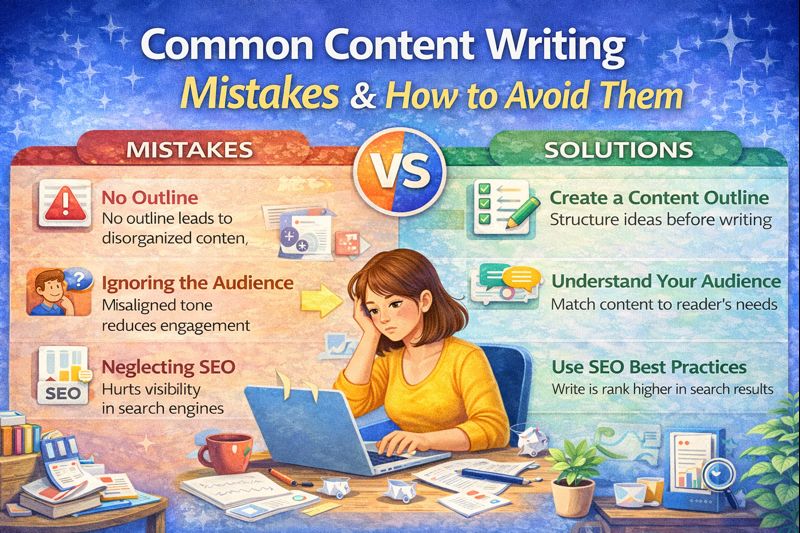
Common Content Writing Mistakes and How to Avoid Them (Beginner-Friendly Guide)
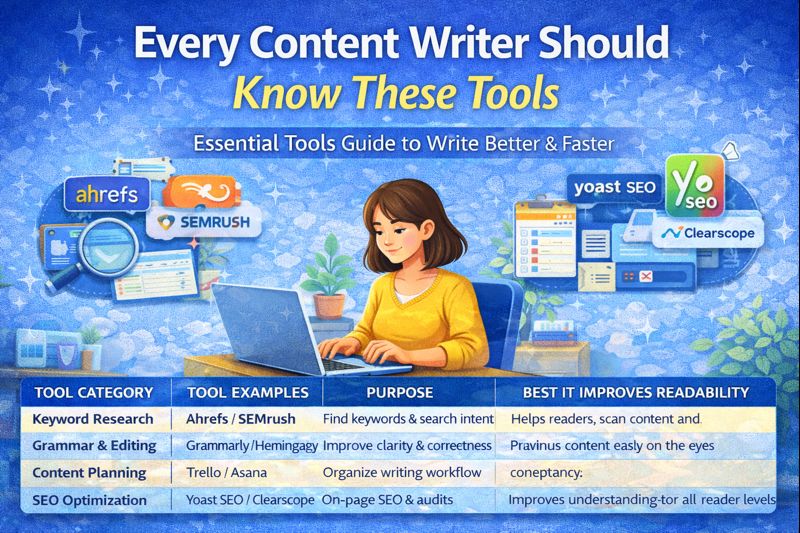
Every Content Writer Should Know These Tools: Essential Writing Tools Guide
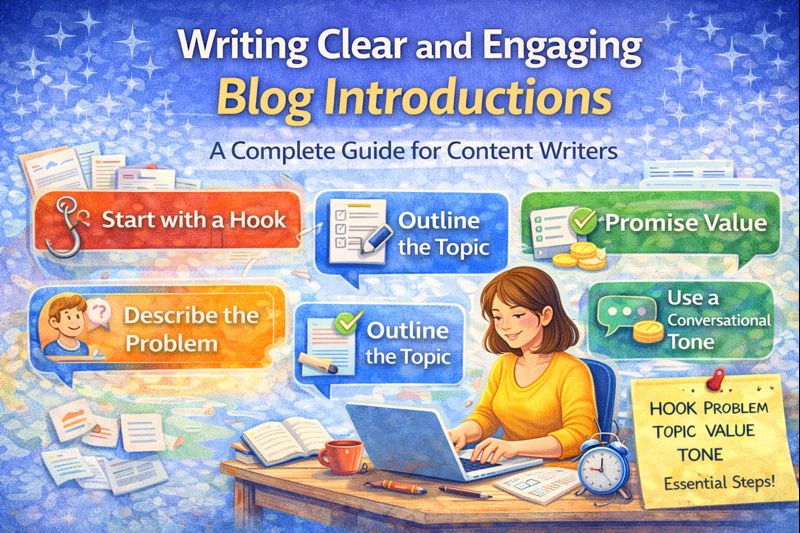
Writing Clear and Engaging Blog Introductions: A Complete Guide for Content Writers
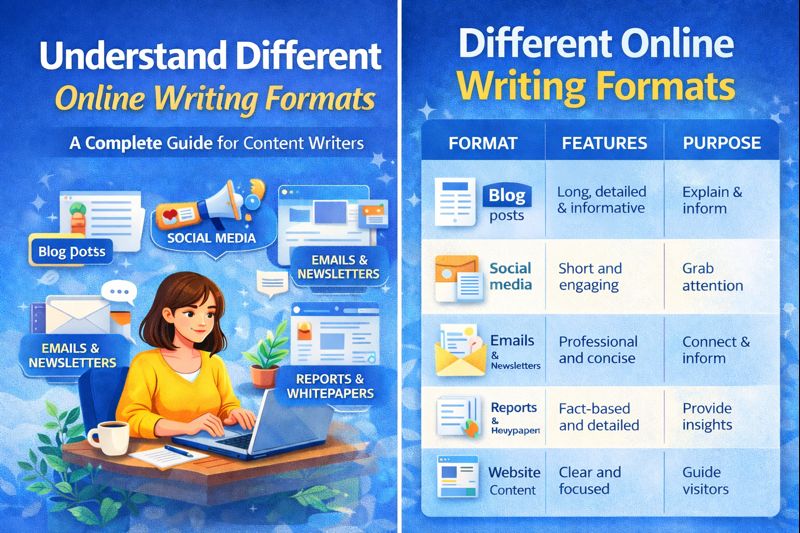
Understand Different Online Writing Formats: A Complete Guide for Content Writers
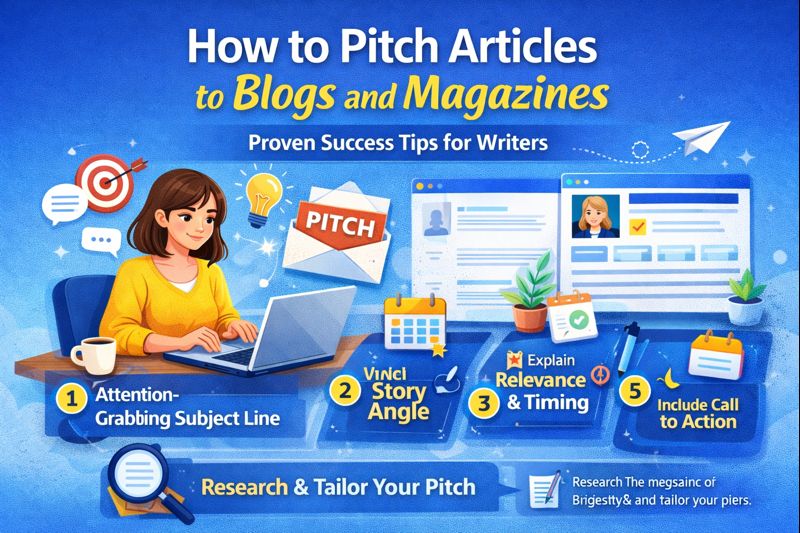
How to Pitch Articles to Blogs and Magazines: A Complete Guide for Writers

How to Build an Effective Personal Brand: A Complete Guide for Writers
How to Structure Content for Maximum Readability: A Practical Guide for Writers
The Role of Research in Effective Writing: How Research Builds Credibility and Trust
Have you ever wondered why some articles feel powerful, trustworthy, and insightful—while others feel shallow…
Content Writing Tips for Beginners: How to Start Writing High-Quality Content
Freelance Writing: How to Build Your Portfolio (Step-by-Step Guide for Beginners)
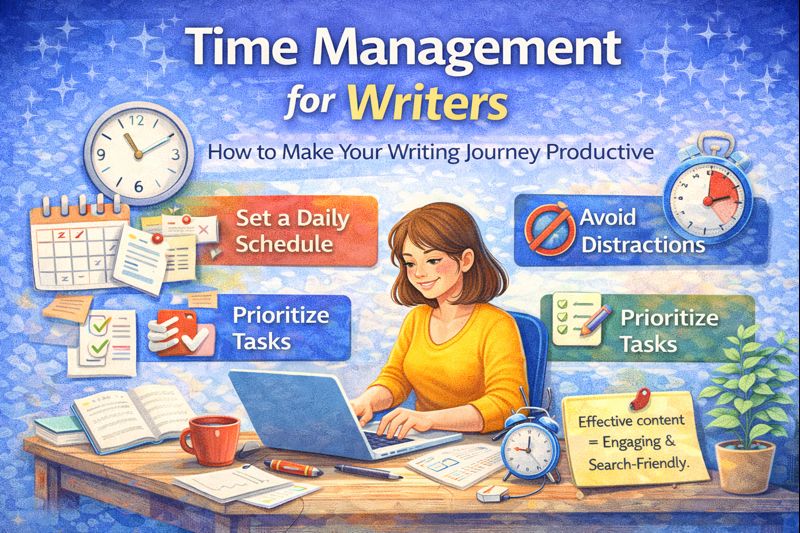
Time Management for Writers: How to Make Your Writing Journey Productive