Last Updated: February 28, 2026
Education is undergoing one of its most important transformations ever.
AI in education is changing how teachers teach and students learn — and it’s happening now, not someday in the future.
From personalized learning paths to automated grading, AI is helping educators become more effective and students more engaged. But what does this really mean for classrooms, and how can schools adopt AI responsibly?
This guide answers that question with clear examples, practical steps, and real-world insights.
What Does “AI in Education” Actually Mean?
AI in education refers to the use of advanced artificial intelligence technologies to support, improve, and personalize teaching and learning processes. This includes tools that can
- tailor lessons to individual students,
- provide instant feedback,
- assist classroom management,
- and automate administrative tasks.
AI doesn’t replace human educators. Instead, it enhances human teaching by doing what computers do best:
analyzing data fast, detecting patterns, and providing real-time responses.
Why AI in Teaching Is Becoming Essential
Teachers today face real and growing challenges:
- Larger class sizes
- Diverse learning needs
- Limited planning time
- Increased administrative work
AI in education helps solve these by reducing workload and improving instructional quality. For example, adaptive learning platforms provide individualized content that adjusts to each student’s pace, helping those who struggle without holding back those who excel.
According to recent research, personalized learning driven by AI can improve student engagement and retention by meeting learners where they are rather than forcing them into a one-size-fits-all model. (Source: UNESCO)
Real Benefits of AI in Education
1. Personalized Learning for Every Student
One of the biggest advantages of AI in education is personalization. Teachers can use AI tools to create learning experiences that adapt in real time to student performance. Students no longer have to wait for feedback — AI systems help them improve instantly.
Education Week reports that adaptive learning platforms are helping struggling students catch up and advanced learners go further. (Source: Education Week)
2. Smarter Assessment and Feedback
Traditionally, grading and feedback take hours. AI tools can analyze assignments, provide detailed explanations, and free teachers to focus on higher-order instruction.
Studies have found that automated feedback systems improve clarity and student revision efforts. (Source: Brookings Institution)
3. Less Administrative Burden
Tasks like attendance, scheduling, and data reporting can be automated. This gives teachers more time for lesson planning and student mentoring.
A 2023 OECD report shows teachers spend up to 40% of their time on administrative work — time that could be redirected with AI tools. (Source: OECD)
4. More Inclusive, Accessible Classrooms
AI supports multiple learning needs with features like:
- Text-to-speech and speech-to-text tools
- Language translation
- Assistive technologies for special education
These make learning more accessible, helping students with disabilities or language challenges succeed.
Practical Examples of AI in Education
Adaptive Learning Platforms
Tools like AI-powered learning systems analyze student responses and suggest tailored exercises — a practical way of applying AI in education for daily learning.
Intelligent Tutoring Systems
AI tutors work one-on-one with students, providing guidance similar to human tutors but at scale.
AI-Assisted Lesson Planning
Teachers can generate lesson outlines and classroom activities based on student data, saving time and improving relevance.
Challenges and Ethical Considerations
While the promise of AI in education is real, it comes with responsibilities.
Data Privacy
Student information needs strong protection. Schools must follow strict guidelines on how data is collected, stored, and used.
Bias and Fairness
AI systems can reflect biased data if not trained carefully. Teachers must monitor outputs and ensure fairness in recommendations.
Professional Training
Teachers need training to use AI tools effectively. Without proper support, technology can become a burden rather than a benefit.
Organizations like UNESCO and the U.S. Department of Education are already publishing frameworks for ethical AI use in classrooms. (Sources: UNESCO, U.S. DOE)
How Teachers Can Start Using AI in Education (Step-by-Step)
You don’t need a tech degree to begin.
Step 1: Pick One Use Case
Start with a small task — like feedback on assignments or quiz generation.
Step 2: Try AI Tools That Focus on Teaching
Choose tools designed for educators, not just generic AI.
Step 3: Explain AI Use to Students
Transparency builds trust and helps students understand how AI supports learning.
Step 4: Review AI Feedback Manually
AI helps, but human judgment ensures quality and fairness.
The Future of AI in Teaching and Learning
The role of AI in education is not to replace teachers but to empower them. With better tools and thoughtful implementation, classrooms can become more adaptive, more inclusive, and more efficient.
Imagine a future where every student gets the support they need — and every teacher has time to do what they love most: inspire, mentor, and teach.
FAQ : AI in Education
What is AI in education?
AI in education refers to artificial intelligence technologies used to improve teaching, learning, and academic management.
Will AI replace teachers?
No. AI supports teachers by automating routine tasks and providing insights, but human educators are essential for mentoring, creativity, and social-emotional support.
Is AI safe to use in classrooms?
Yes, when proper data privacy and ethical guidelines are followed. Schools should ensure transparency and secure handling of student data.
Can AI improve student outcomes?
Yes. Research shows that personalized learning and timely feedback through AI can improve engagement and understanding.
Do teachers need technical skills for AI?
No. Many AI education tools are designed for ease of use and require no coding or advanced technical skill
Reference
- Education Week – Personalized Learning & AI
https://www.edweek.org/technology - Brookings Institution – AI in Assessment
https://www.brookings.edu/research - U.S. Department of Education – AI Ethics
https://www.ed.gov
- Academic Writing
- AI Governance
- AI in Business & Marketing
- AI in Content Creation
- AI in Research & Education
- AI In SEO
- AI Tools & Review
- Creative Writing & Storytelling
- General
- Income Tax
- Indian Laws
- Legal Drafting & Pleading
- Mutual Funds
- Trending
10 Best Content Writing Tools in 2026 Every Writer must Know
10 Best Content Writing Tools in 2026 How to Write Clear and Engaging Blog Introductions…
10 Common Content Writing Mistakes You Must Avoid in 2026
Common Content Writing Mistakes Content Writing Tips for Beginners Why Most Content Fails (And It’s…

10 Structural Mistakes That Get Research Papers Rejected — And How to Fix Every One
10 Structural Mistakes That Get Research Papers Rejected Module 1: Understanding the Structure of Research…
A General Defence Act of God in Tort Law
Act of God in Tort Law Law of Torts Notes General Defences in Law of…
A General Defence Inevitable Accident in Tort Law
Inevitable Accident in Tort Law Law of Torts Complete Notes LLB General Defences in Law…

A General Defence Necessity in Tort Law
Law of Torts Notes A General Defence Act of God in Tort Law A General…
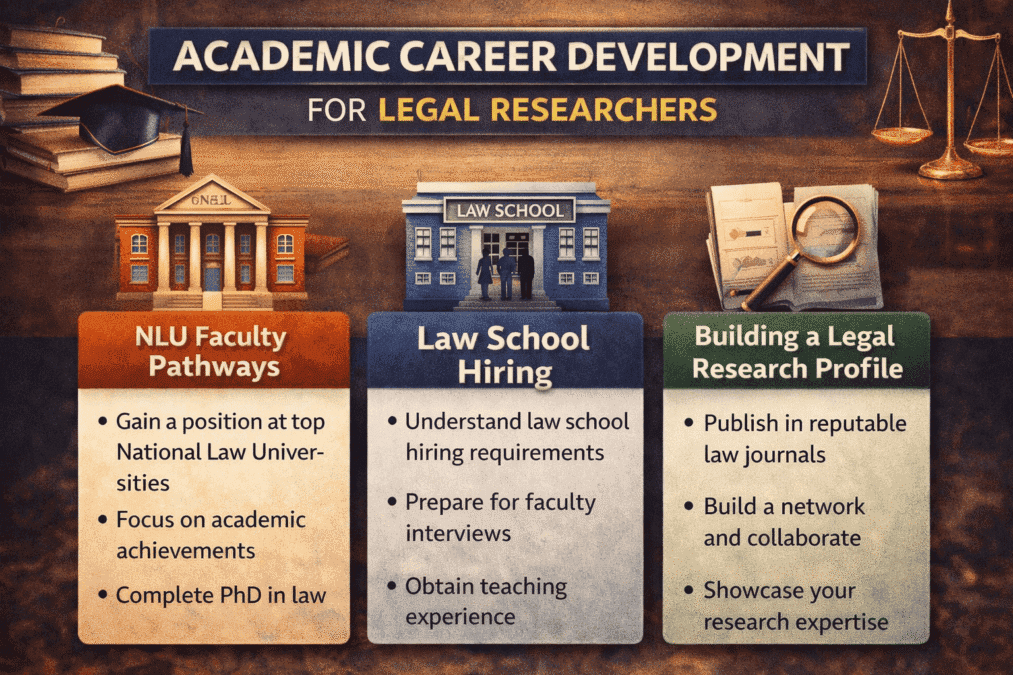
Academic Career Development for Legal Researchers
Academic Career Development for Legal Researchers: NLU Faculty Pathways, Law School Hiring, and Building a…
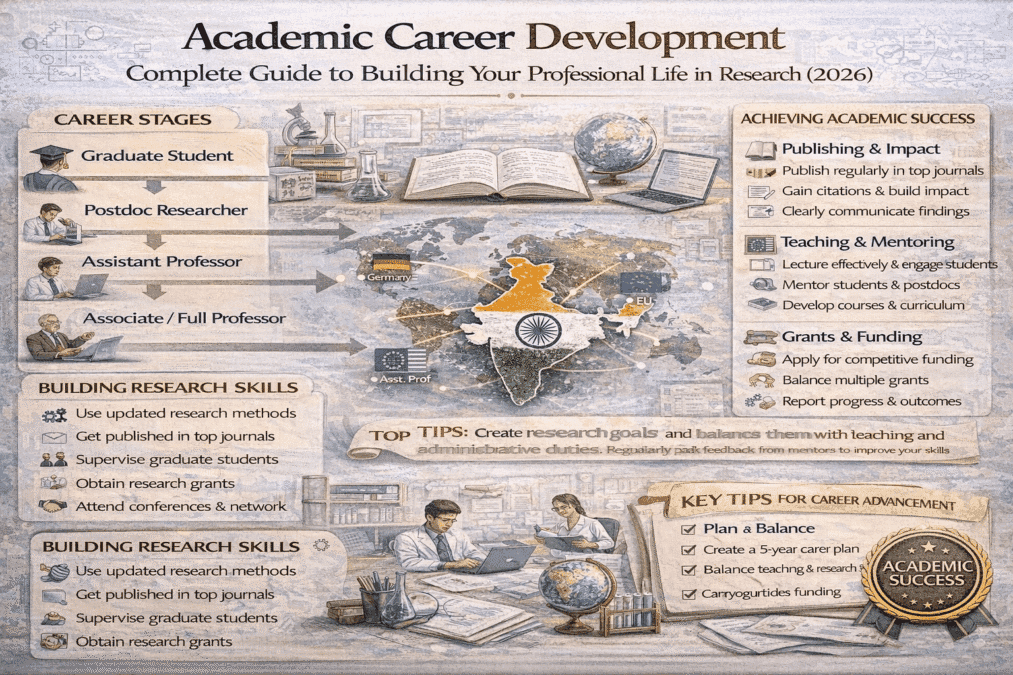
Academic Career Development: Complete Guide to Building Your Professional Life in Research (2026)
Academic Career Development (Module 9) Academic Writing Mastery: The Complete 2026 Guide To Research Papers,…

Academic Tone: From Principles to Practice
Cluster Post 3 | Module 5: Organising Chapters, Maintaining Academic Tone, and Preparing Submission-Ready Documents…
Academic Writing Mastery: The Complete 2026 Guide to Research Papers, Thesis & Dissertation Writing
Academic Writing Master From Concept to Submission Series Academic Writing Mastery Whether you are writing…
Act of Third Parties as a Defence in Tort Law
Act of Third Parties in Tort Law Law of Torts Complete LLB Notes Act of…
AI for UI/UX Design: Tools, Workflows, and Trends
User Interface (UI) and User Experience (UX) design play a critical role in the success…
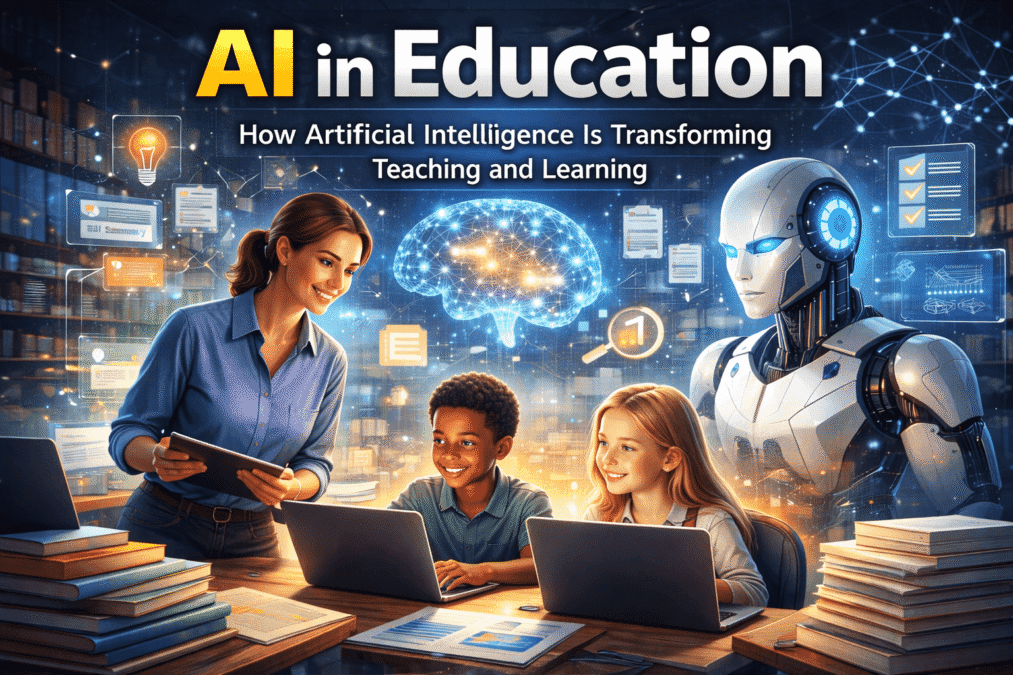
AI in Education: How Artificial Intelligence Is Transforming Teaching and Learning 2026
Education is undergoing one of its most important transformations ever.AI in education is changing how…

AI in Graphic Design: Best Tools, Trends & Tips for 2026
Still designing everything manually in 2026?While you’re adjusting fonts and layers, AI in graphic design…
AI Jobs: Complete Guide to AI Job Search, Google AI Careers & Future Opportunities (2026)
AI Jobs: Complete Guide Artificial Intelligence (AI) is reshaping the global workforce and creating exciting…
AI Policy Landscape for Indian and Global Researchers
Cluster Post 5 | Module 7: AI Tools in Academic Research — Opportunities, Ethics, and…
AI Tools in Academic Research: Opportunities, Ethics, and Best Practices (2026)
Module 7 Complete Guide – AI in Academic Research AI Tools in Academic Research Academic…

Alternative and Hybrid Careers for Indian Research Scholars
Cluster Post 5 | Module 9: Academic Career Development From Concept to Submission Series | …
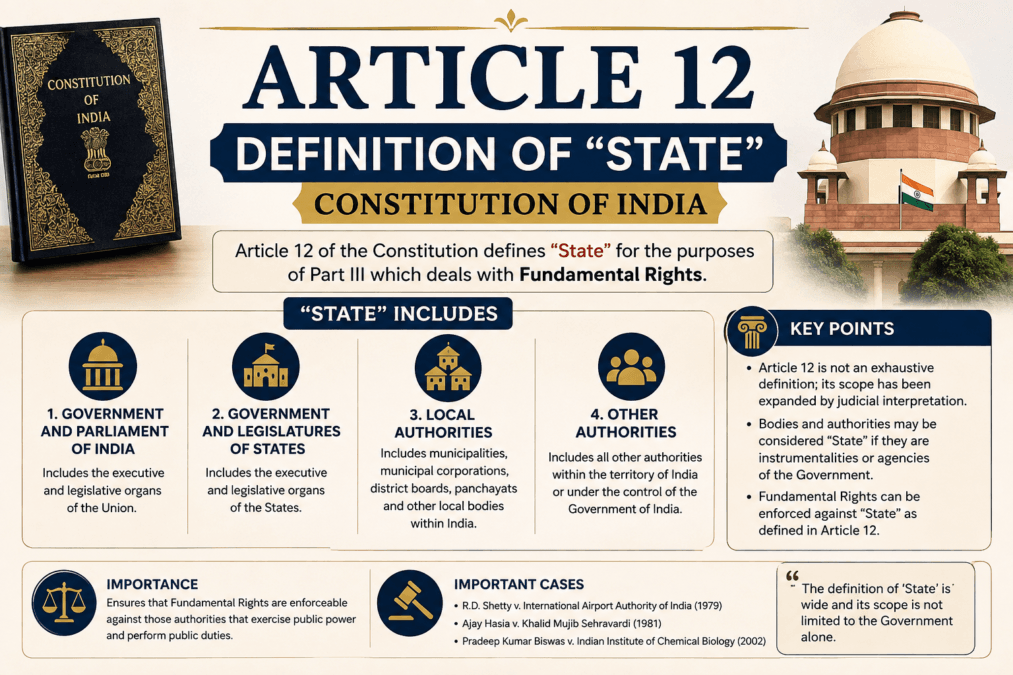
Article 12 — Definition of “State” Constitution of India
Article 12 of the Indian Constitution Subject: Constitutional Law | Module: Fundamental Rights — 1….
Basis of Tortious Liability — Meaning, Principles, Theories & Important Cases
1. Law of Torts — Meaning and Definition of Tort 2. Is It “Law of…
Best AI Tools in 2026: I Tested, Researched & Compared the AI Tools Worth Using
Last Updated: August 2026 Best AI Tools in 2026 There are thousands of AI tools…
Capacity to Be Sued in Tort Law: Meaning, Minors, Corporations & Other Persons
Law of Torts Complete Constitutional Law Complete Notes Capacity to Be Sued in Tort Law…
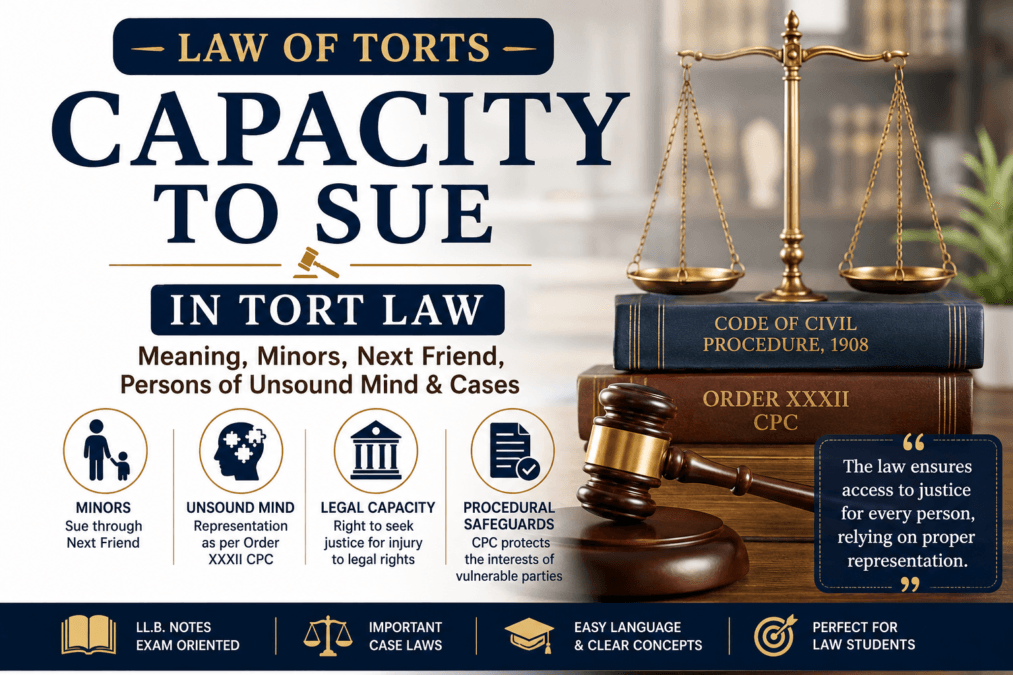
Capacity to Sue in Tort Law: Meaning, Minors, Persons of Unsound Mind & Legal Capacity
Law of Torts Complete Constitutional Law Complete Notes Capacity to Sue in Tort Law Capacity…
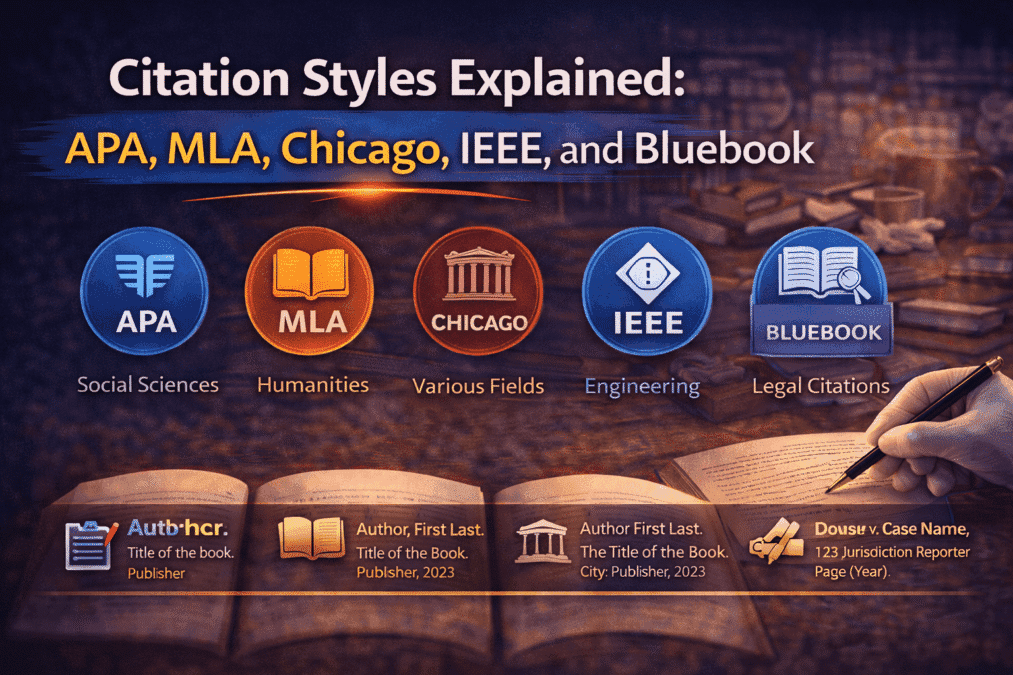
Citation Styles Explained: APA, MLA, Chicago, IEEE, and Bluebook
Citation Styles Explained Module 2: The Academic Writing Process From Concept to Submission Series | …